 Business License

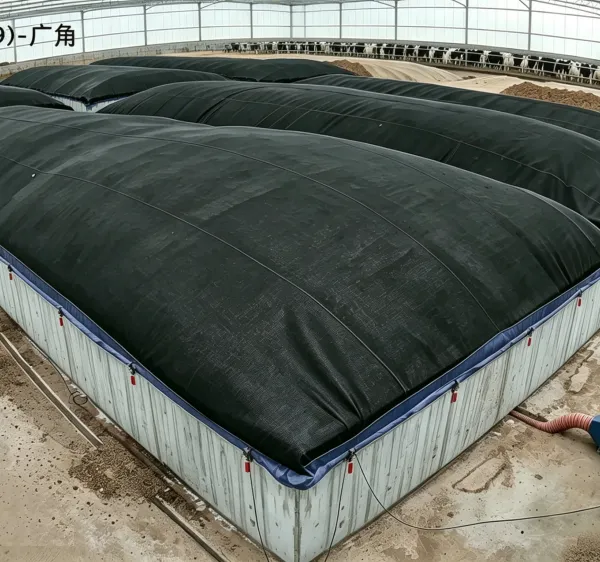
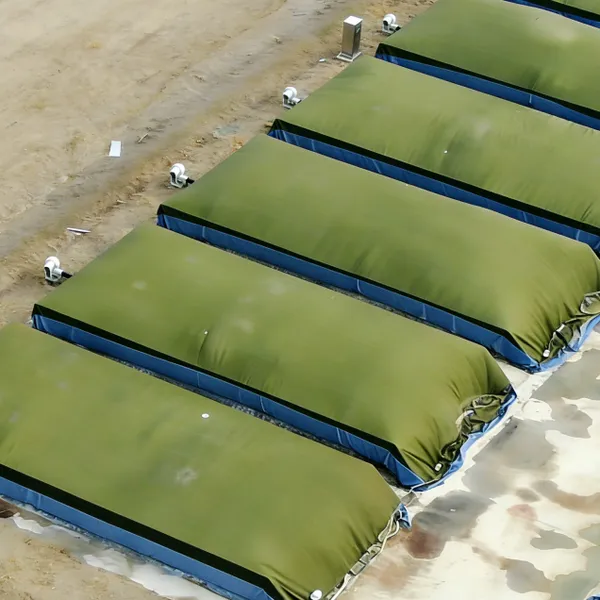
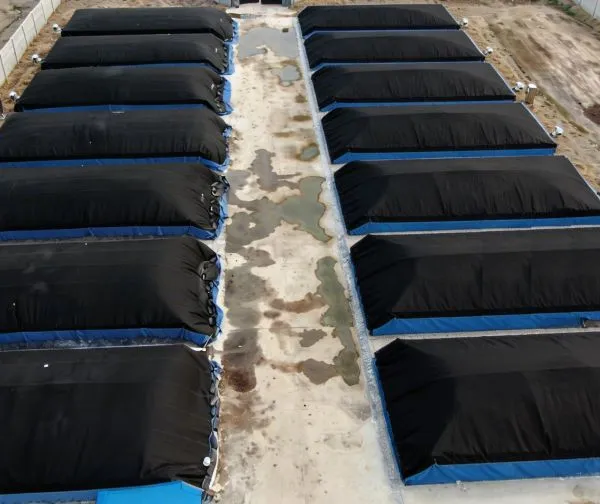
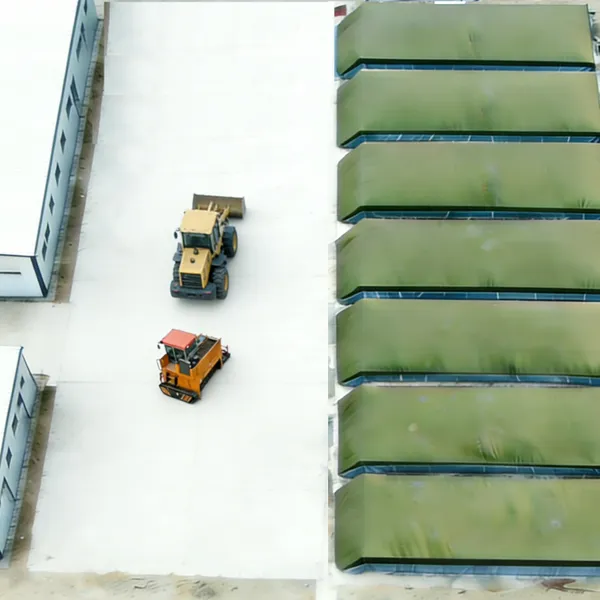
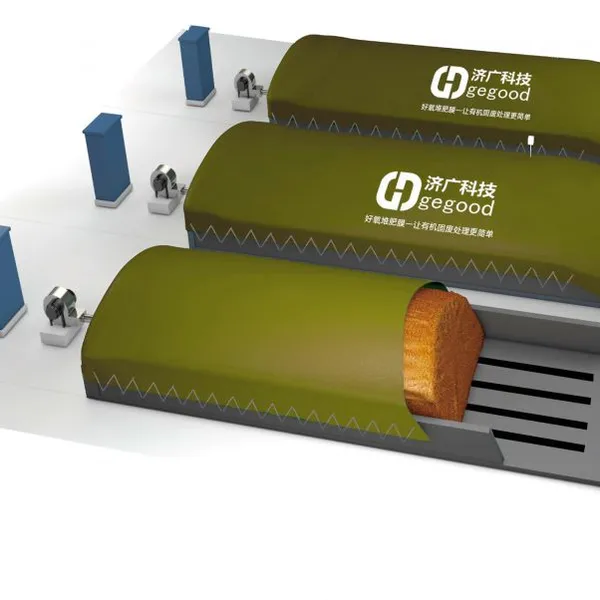
Organic waste composting covered with semi-permeable membrane
Organic Waste Composting Covered with Semi-Permeable Membrane
Brief Product & Technology Introduction
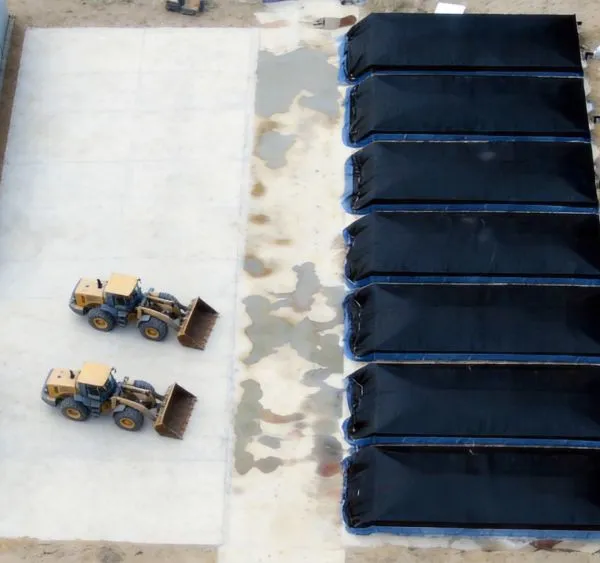
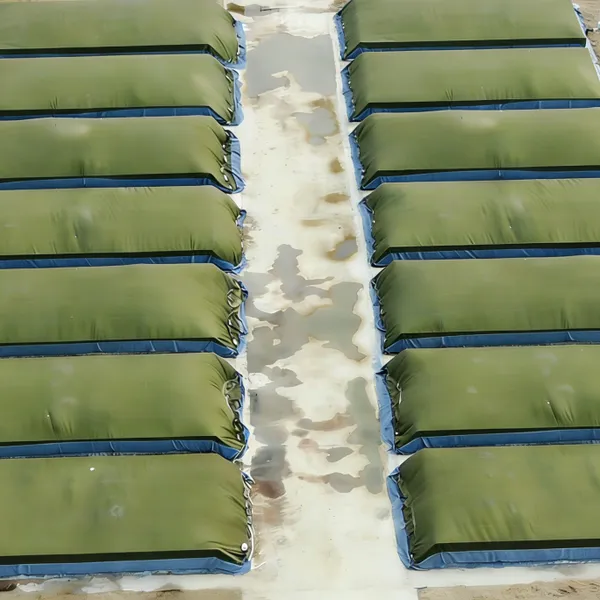
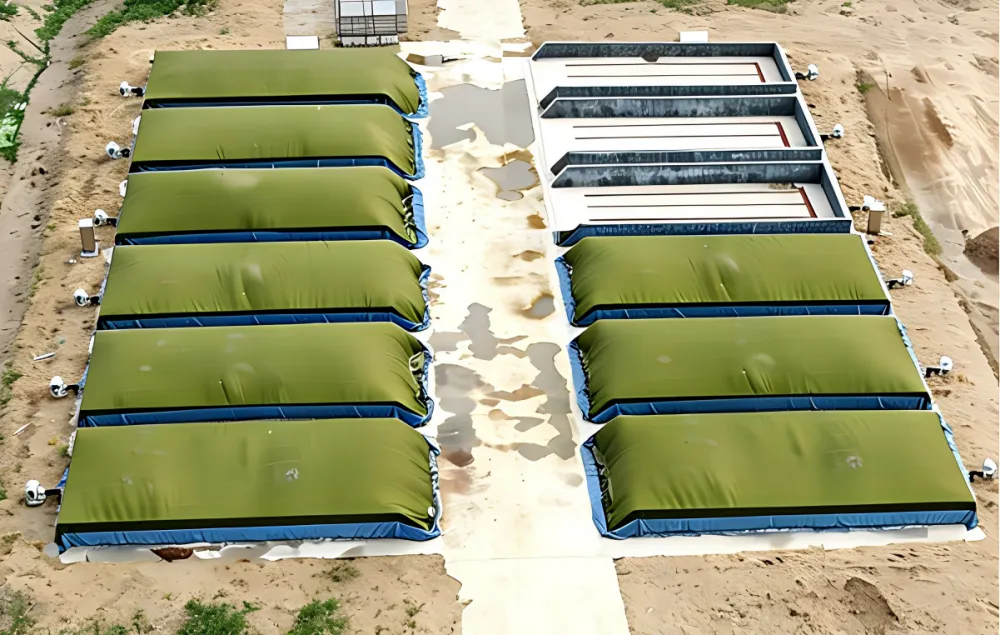
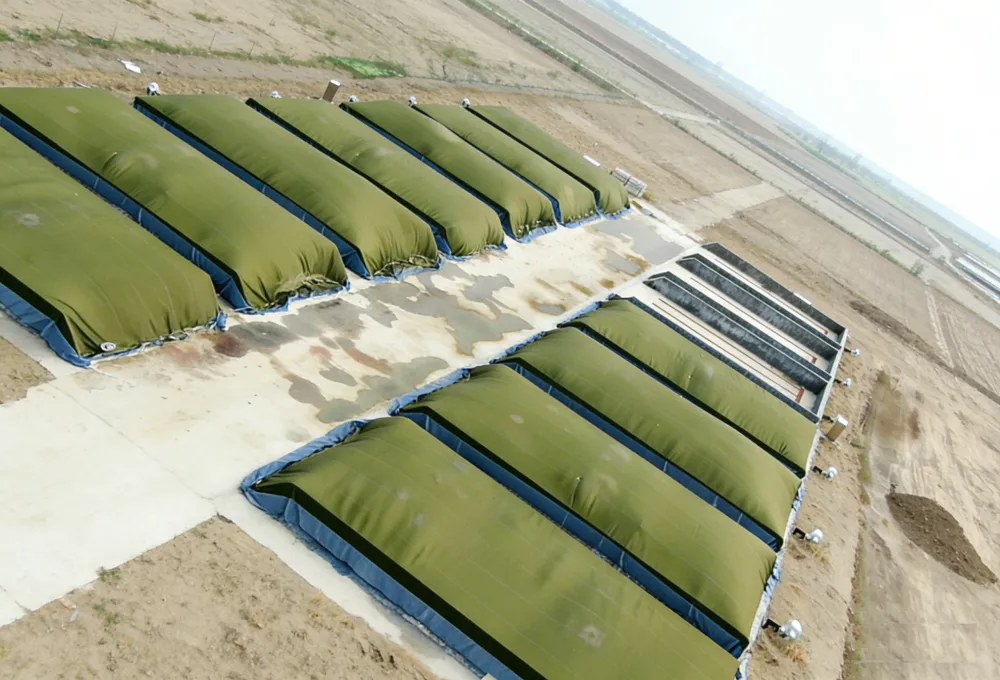
The semi-permeable membrane covered composting system is an advanced aerobic composting technology specially designed for the harmless treatment and resource recycling of all types of organic waste, including livestock manure, agricultural straw, kitchen waste, sludge, garden trimmings and other biodegradable raw materials.
Unlike traditional open-air composting or simple plastic film covering, the core of this process is a high-performance semi-permeable ePTFE membrane laid over the compost pile as a fully sealed covering layer, which builds a controllable microenvironment inside the compost body while isolating external adverse conditions.
Core Working Principle
Selective Gas ExchangeThe microporous structure of the semi-permeable membrane realizes one-way selective ventilation: water vapor, carbon dioxide and heat generated during aerobic fermentation can smoothly penetrate and discharge outwards; meanwhile, odor molecules, ammonia gas, fly breeding sources, dust and rainwater are completely blocked from escaping or infiltrating. It solves the long-standing contradiction between ventilation and deodorization in conventional composting.
Stable Aerobic Fermentation EnvironmentWith the membrane covering, the internal temperature of the compost pile can be steadily maintained at 55–70 °C for more than 7 consecutive days. High-temperature aerobic fermentation fully kills pathogenic bacteria, parasite eggs, weed seeds and harmful microorganisms inside organic waste, meeting national harmless treatment standards.
Moisture & Humidity Balance ControlThe membrane prevents rainwater from soaking the compost raw materials to avoid excessive moisture and anaerobic odor fermentation. It also locks internal fermentation humidity, reducing the frequency of manual water supplementation and cutting operation labor costs.
Outstanding Advantages
Excellent Odor & Pollution ControlZero outward leakage of pungent odor such as hydrogen sulfide and ammonia, no secondary air pollution. It eliminates fly and mosquito breeding, greatly lowering environmental complaints and meeting strict regional environmental protection emission standards, suitable for farms, suburban waste treatment plants and residential surrounding projects.
All-Weather Operation, Less Site RestrictionNo need for large closed workshop or complex deodorization exhaust systems. The membrane cover works normally in rainy, snowy and windy weather, saving huge investment in factory construction and waste gas treatment equipment compared with enclosed composting workshops.
Short Fermentation Cycle & High Fertilizer QualityConstant high-temperature fermentation accelerates organic matter decomposition. The whole composting cycle only takes 20–35 days, much shorter than open composting. The finished compost features high humus content, uniform nutrient composition, and can be directly processed into organic fertilizer for farmland, orchards and green planting.
Low Operation & Maintenance CostThe semi-permeable membrane has strong tensile strength, anti-ultraviolet aging and long service life. No continuous power consumption for exhaust deodorization; only simple regular turning and auxiliary oxygen supply are required, effectively cutting daily electricity and labor expenses.
Small Land Occupancy & Flexible LayoutCompost piles can be stacked in higher layers under membrane coverage, improving land utilization rate. The membrane can be freely unfolded and folded, supporting modular, scalable construction for both small decentralized treatment and large centralized organic waste disposal bases.
Wide Application Scope
Livestock breeding waste: cow manure, pig manure, chicken manure, sheep manure
Agricultural organic waste: crop straw, fruit and vegetable residues, mushroom dregs
Municipal organic waste: kitchen waste, garden waste, landscaping trimmings
Solid organic sludge: biogas residue, sewage plant sludge, fermentation residues
End Product Value
After complete membrane-covered aerobic composting, the decomposed organic materials become mature organic fertilizer raw materials. This recycled product can improve soil structure, increase soil organic matter, reduce chemical fertilizer application, realize circular agriculture, and achieve the dual goals of organic waste reduction, harmless disposal and resource reuse.
Conclusion
Semi-permeable membrane covered organic waste composting is a low-carbon, economical and environmentally friendly solid waste treatment technology. It balances treatment efficiency, environmental protection input and operational cost, and has become a mainstream preferred solution for organic waste resource utilization worldwide.
Recently Posted
-
gegood Domestic waste and feces composting covered with semi-permeable membrane
June 23, 2026Introduction to Domestic Waste and Feces Composting Covered with Semi-Permeable MembraneSemi-permeable membrane-covered composting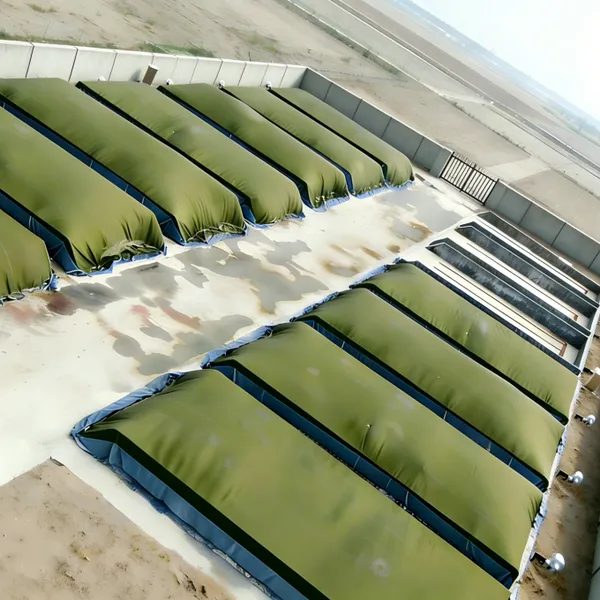 Read More
 -
Domestic waste and feces composting covered with semi-permeable membrane of gegood
June 23, 2026Introduction to Domestic Waste and Feces Composting Covered with Semi-Permeable MembraneSemi-permeable membrane-covered composting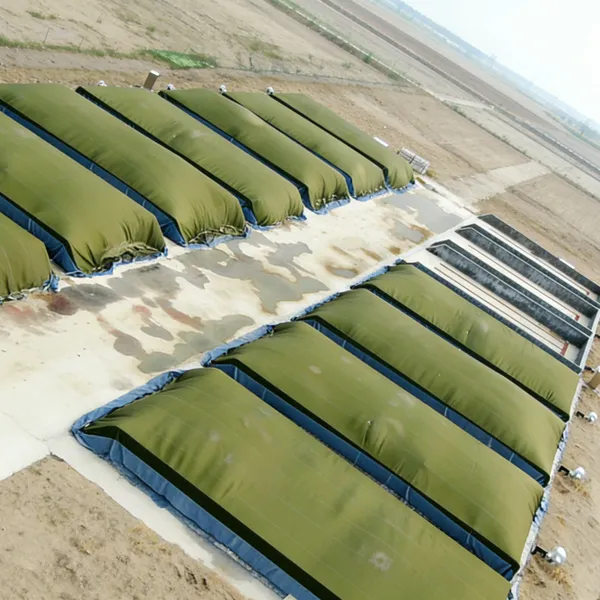 Read More
 -
Introduction to Domestic Waste and Feces Composting Covered with Semi-Permeable Membrane gegood
June 23, 2026Introduction to Domestic Waste and Feces Composting Covered with Semi-Permeable MembraneSemi-permeable membrane-covered composting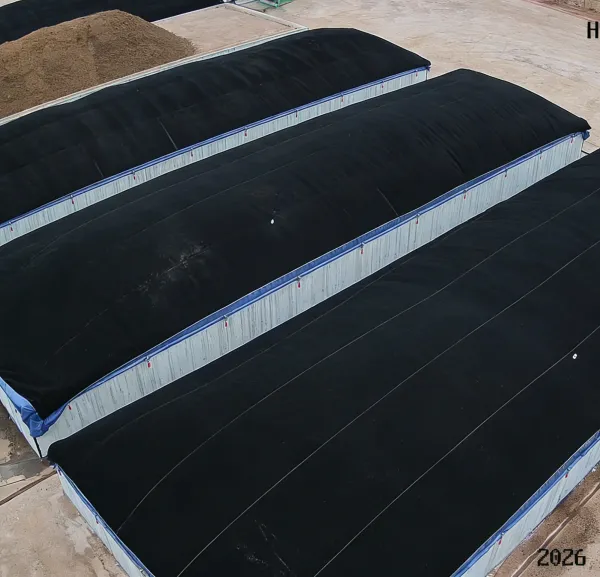 Read More
 -
Introduction to Domestic Waste and Feces Composting Covered with Semi-Permeable Membrane
June 23, 2026Introduction to Domestic Waste and Feces Composting Covered with Semi-Permeable MembraneSemi-permeable membrane-covered composting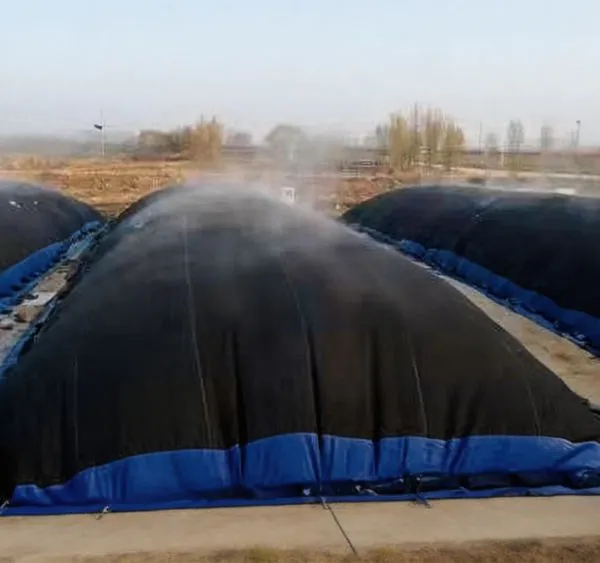 Read More

Contact Us
Recommended Products
-
 Organic Household Waste Composting Treatment Covered With EPTFE Semi-permeable Membrane222US$ 20000 - 25000MOQ: 1 Piece
 -
Household Waste Fermentation Organic Fertilizer Equipment (covered With Permeable Membrane)US$ 20000 - 25000MOQ: 1 Piece
-
Animal Manure Fermentation Organic Fertilizer Equipment (covered With Permeable Membrane) JiguangkejUS$ 20000 - 25000MOQ: 1 Piece
-
Animal Manure Fermentation Organic Fertilizer Equipment (covered With Permeable Membrane) 6US$ 20000 - 25000MOQ: 1 Piece
-
Animal Manure Fermentation Organic Fertilizer Equipment (covered With Permeable Membrane) of GegoodUS$ 20000 - 25000MOQ: 1 Piece
-
Animal Manure Fermentation Organic Fertilizer Equipment (covered With Permeable Membrane) JiguangUS$ 20000 - 25000MOQ: 1 Piece
-
Animal Manure Fermentation Organic Fertilizer Equipment (covered With Permeable Membrane)4US$ 20000 - 25000MOQ: 1 Piece
-
Animal Manure Fermentation Organic Fertilizer Equipment (covered With Permeable Membrane)1US$ 20000 - 25000MOQ: 1 Piece
-
Animal Manure Fermentation Organic Fertilizer Equipment (covered With Permeable Membrane) GegoodUS$ 20000 - 25000MOQ: 1 Piece
-
Animal Manure Fermentation Organic Fertilizer Equipment (covered With Permeable Membrane)US$ 20000 - 25000MOQ: 1 Piece
-
Equipment for Fermenting Organic Fertilizer From Animal Manure (covered With Permeable Membrane)US$ 20000 - 25000MOQ: 1 Piece
-
Organic Household Waste Composting Treatment Covered With EPTFE Semi-permeable Membrane Gegood QingdaUS$ 20000 - 25000MOQ: 1 Piece
-
Organic Household Waste Composting Treatment Covered With EPTFE Semi-permeable Membrane 3US$ 20000 - 25000MOQ: 1 Piece
-
Organic Household Waste Composting Treatment Covered With EPTFE Semi-permeable Membrane 2US$ 20000 - 25000MOQ: 1 Piece
-
Organic Household Waste Composting Treatment Covered With EPTFE Semi-permeable Membrane 1US$ 20000 - 25000MOQ: 1 Piece
-
Organic Household Waste Composting Treatment Covered With EPTFE Semi-permeable Membrane of GegoodUS$ 20000 - 25000MOQ: 1 Piece
-
Organic Household Waste Composting Treatment Covered With Gegood® EPTFE Semi-permeable MembraneUS$ 20000 - 25000MOQ: 1 Piece
-
Organic Household Waste Composting Treatment Covered With EPTFE Semi-permeable MembraneUS$ 20000 - 25000MOQ: 1 Piece
-
Semi-permeable Membrane for Compost Fermentation to Domestic Waste of GegoodUS$ 20000 - 25000MOQ: 1 Piece
-
Gegood Organic Fertilizer Fermentation Treatment of Household Waste, Compost Cover Film EPTFE Semi-permeable MembraneUS$ 20000 - 25000MOQ: 1 Piece