 Business License

gegood Composting of organic waste from household garbage with molecular film covering
Composting of Organic Waste from Household Garbage with Molecular Film Covering
1. Overview
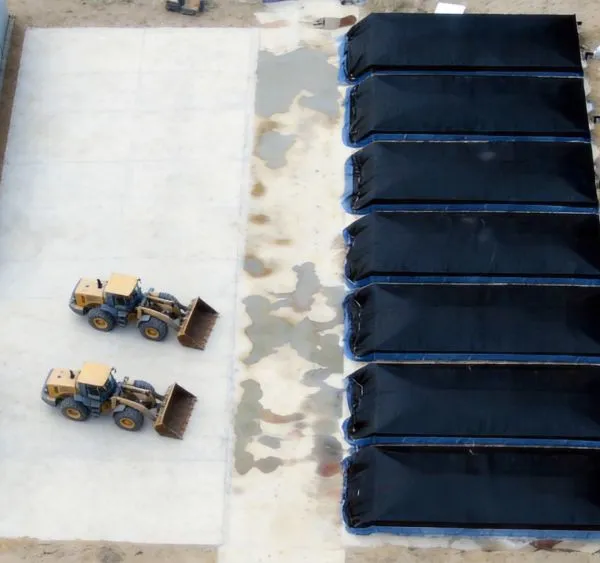
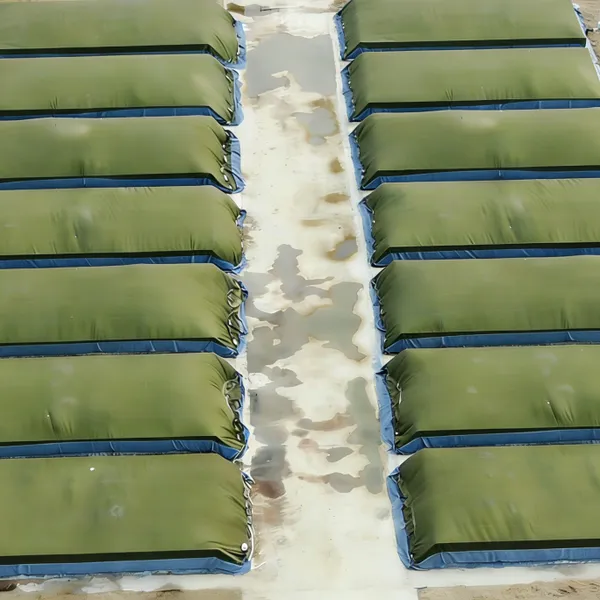
Molecular film covering composting is an innovative, environmentally friendly and efficient aerobic composting technology specially designed for household organic waste, including kitchen scraps, fruit and vegetable residues, leftover food, and garden waste. Different from traditional open-air composting and fully enclosed composting, this technology adopts a high-performance semi-permeable molecular membrane to cover the compost pile, building a controllable micro-ecological fermentation environment for household organic waste. It effectively solves the pain points of conventional household waste composting, such as odor pollution, weather interference, slow fermentation, low maturity and nutrient loss, realizing harmless treatment, reduction and resource recycling of domestic organic waste.
2. Technical Principle
The core of molecular film covering composting lies in the selective permeability of the functional molecular membrane material. The membrane is equipped with a unique microporous molecular structure that achieves precise gas and moisture regulation: it allows the smooth discharge of carbon dioxide and water vapor generated by aerobic microbial fermentation inside the compost pile, while effectively blocking the outward diffusion of odor molecules such as ammonia and hydrogen sulfide, as well as external rainwater, dust and pests.
Under the sealed and breathable membrane covering environment, the compost pile maintains a stable high-temperature aerobic fermentation state. The membrane effectively locks heat generated by microbial metabolism, increases the internal temperature of the compost pile, accelerates the reproduction and activity of thermophilic microorganisms, and thoroughly decomposes organic matter. Meanwhile, the stable internal environment significantly reduces nitrogen loss during composting, improves the nutrient retention rate of finished compost, and avoids secondary pollution caused by waste gas and leachate.
3. Standard Composting Process
The whole treatment process of molecular film covering composting for household organic waste is simple, efficient and suitable for community centralized treatment and small-scale domestic disposal, with the following complete procedures:
Step 1: Pre-treatment of raw materials. Sort and screen household garbage to separate organic waste from inorganic impurities such as plastic, metal and glass. Crush large-particle organic waste properly, and adjust the carbon-nitrogen ratio and moisture content of the materials to create optimal conditions for microbial fermentation.
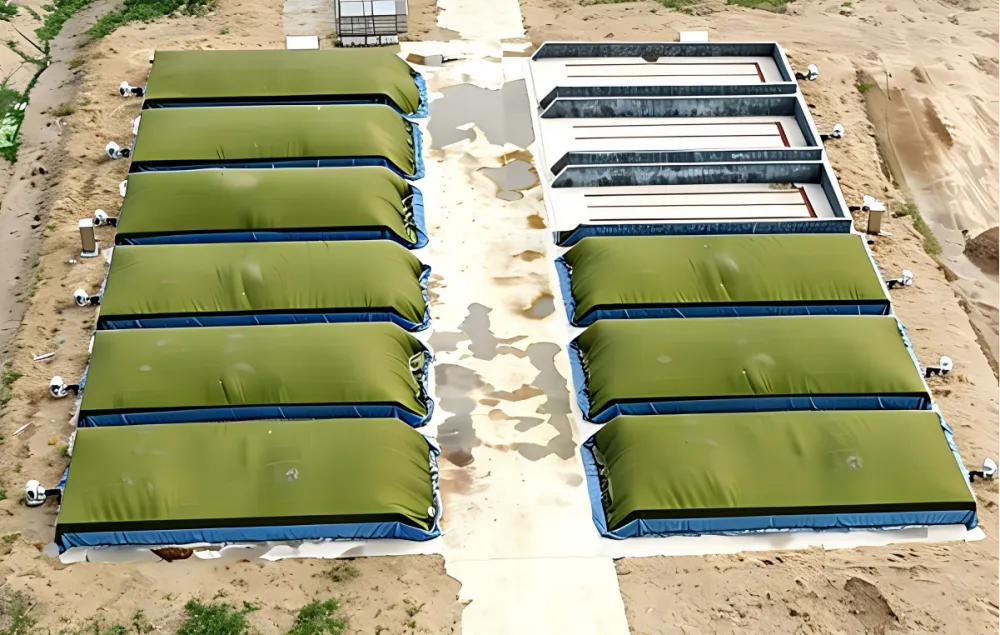
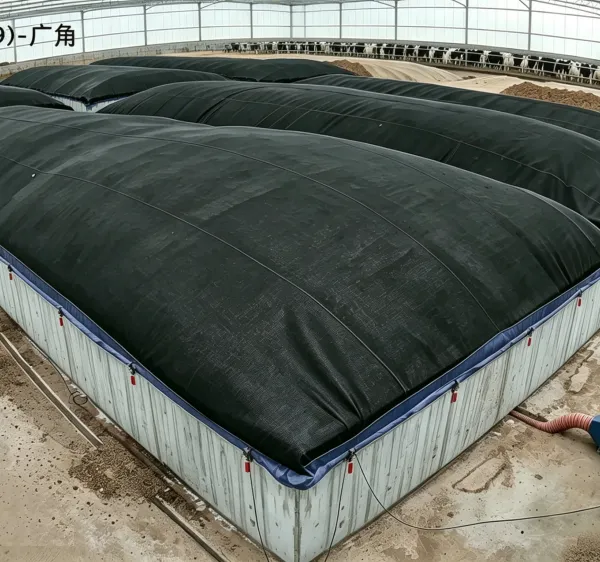
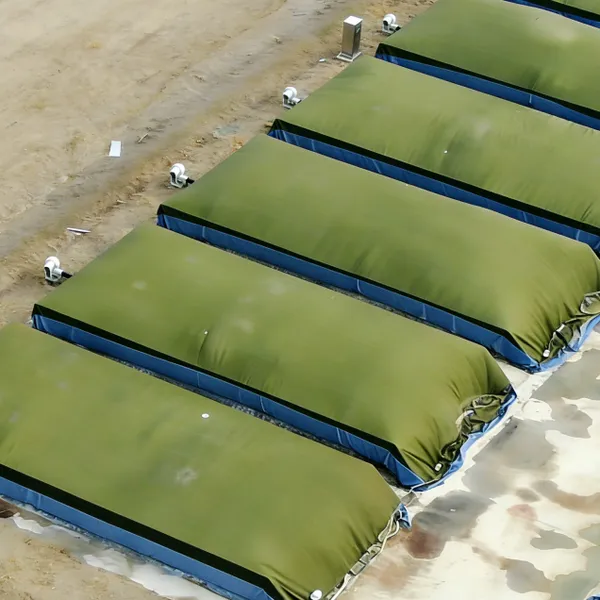
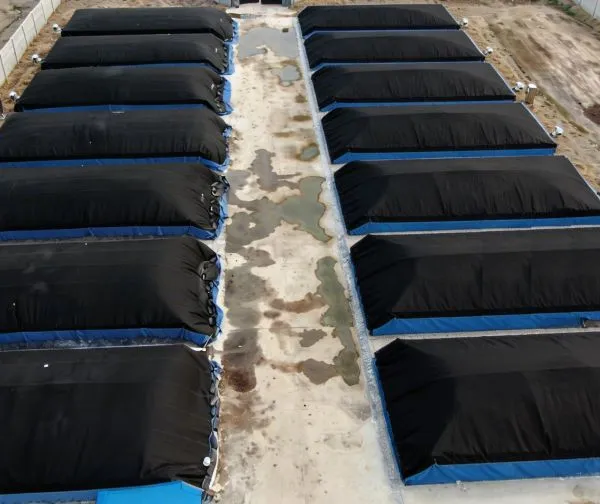
Step 2: Pile building and membrane covering. Stack the pretreated organic waste into regular compost piles, and fully cover and seal the piles with dedicated molecular film. Fix the edge of the membrane tightly to ensure the overall tightness of the covering layer and form an independent fermentation space isolated from the external environment.
Step 3: Intelligent aerobic fermentation. Match with micro-aeration equipment according to the pile volume to provide continuous and uniform oxygen for aerobic microorganisms. Rely on the temperature and humidity regulation function of the molecular membrane, maintain a long-term stable thermophilic fermentation state inside the pile, and promote rapid decomposition of organic waste.
Step 4: Turning and curing. Conduct regular mechanical or manual turning according to the fermentation cycle to balance internal oxygen and temperature. After high-temperature decomposition, enter the curing stage to further stabilize organic matter, eliminate harmful bacteria and parasite eggs, and form mature compost.
Step 5: Finished product recycling. Screen and crush the cured compost to obtain high-quality organic fertilizer, which can be widely used for family potted planting, community greening and urban garden planting.
4. Core Advantages
(1) Excellent odor and pollution control effect. The molecular membrane can intercept most odor pollutants, reducing ammonia and nitrous oxide emissions significantly, completely solving the odor disturbance problem of household waste composting. It also prevents rainwater infiltration and leachate overflow, realizing zero secondary pollution in the whole process.
(2) High fermentation efficiency and short cycle. The heat preservation and temperature locking effect of the membrane raises the average fermentation temperature of the compost pile, accelerates organic matter degradation, and shortens the composting cycle by 30%-50% compared with traditional open composting. The finished compost reaches full maturity steadily.
(3) Strong environmental adaptability. Different from open composting which is easily affected by rainy, windy and low-temperature weather, molecular film covering isolates external climate interference, enabling normal composting operation all year round in various seasons and regions.
(4) Good nutrient retention and high product quality. The membrane covering environment effectively reduces nitrogen loss during fermentation, increases the organic matter and nutrient content of finished compost, and produces high-quality ecological organic fertilizer with stable performance and no harmful residues.
(5) Low cost and simple operation. The technology has no complex equipment and high energy consumption. The molecular membrane has long service life and low later maintenance cost. It is suitable for popularization in residential communities, suburban families and small domestic waste treatment stations.
5. Application Value and Prospect
With the continuous improvement of urban domestic waste classification and resource utilization requirements, molecular film covering composting has become a key green technology for decentralized treatment of household organic waste. It realizes on-site reduction and resource utilization of domestic organic waste, reduces the transportation pressure and treatment cost of municipal garbage, and avoids environmental pollution risks in the process of garbage transportation and centralized stacking.
The finished organic compost produced by this technology is safe, pollution-free and rich in organic matter, which can effectively improve soil structure, enhance soil fertility and promote the development of urban ecological greening and family ecological planting. In the future, with the continuous upgrading of membrane material technology and intelligent control system, molecular film composting will be more intelligent, standardized and miniaturized, and become an indispensable technical means for household organic waste resource treatment and urban ecological environmental protection construction.
Recently Posted
-
gegood Domestic waste and feces composting covered with semi-permeable membrane
June 23, 2026Introduction to Domestic Waste and Feces Composting Covered with Semi-Permeable MembraneSemi-permeable membrane-covered composting Read More
 -
Domestic waste and feces composting covered with semi-permeable membrane of gegood
June 23, 2026Introduction to Domestic Waste and Feces Composting Covered with Semi-Permeable MembraneSemi-permeable membrane-covered composting Read More
 -
Introduction to Domestic Waste and Feces Composting Covered with Semi-Permeable Membrane gegood
June 23, 2026Introduction to Domestic Waste and Feces Composting Covered with Semi-Permeable MembraneSemi-permeable membrane-covered composting Read More
 -
Introduction to Domestic Waste and Feces Composting Covered with Semi-Permeable Membrane
June 23, 2026Introduction to Domestic Waste and Feces Composting Covered with Semi-Permeable MembraneSemi-permeable membrane-covered composting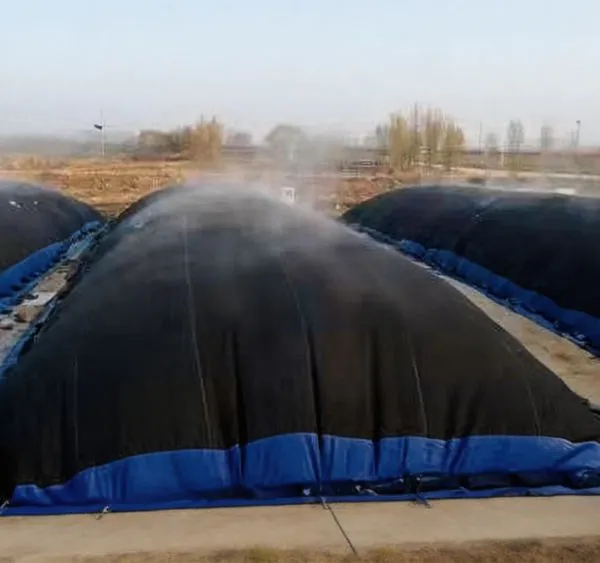 Read More

Contact Us
Recommended Products
-
 Organic Household Waste Composting Treatment Covered With EPTFE Semi-permeable Membrane222US$ 20000 - 25000MOQ: 1 Piece
 -
Household Waste Fermentation Organic Fertilizer Equipment (covered With Permeable Membrane)US$ 20000 - 25000MOQ: 1 Piece
-
Animal Manure Fermentation Organic Fertilizer Equipment (covered With Permeable Membrane) JiguangkejUS$ 20000 - 25000MOQ: 1 Piece
-
Animal Manure Fermentation Organic Fertilizer Equipment (covered With Permeable Membrane) 6US$ 20000 - 25000MOQ: 1 Piece
-
Animal Manure Fermentation Organic Fertilizer Equipment (covered With Permeable Membrane) of GegoodUS$ 20000 - 25000MOQ: 1 Piece
-
Animal Manure Fermentation Organic Fertilizer Equipment (covered With Permeable Membrane) JiguangUS$ 20000 - 25000MOQ: 1 Piece
-
Animal Manure Fermentation Organic Fertilizer Equipment (covered With Permeable Membrane)4US$ 20000 - 25000MOQ: 1 Piece
-
Animal Manure Fermentation Organic Fertilizer Equipment (covered With Permeable Membrane)1US$ 20000 - 25000MOQ: 1 Piece
-
Animal Manure Fermentation Organic Fertilizer Equipment (covered With Permeable Membrane) GegoodUS$ 20000 - 25000MOQ: 1 Piece
-
Animal Manure Fermentation Organic Fertilizer Equipment (covered With Permeable Membrane)US$ 20000 - 25000MOQ: 1 Piece
-
Equipment for Fermenting Organic Fertilizer From Animal Manure (covered With Permeable Membrane)US$ 20000 - 25000MOQ: 1 Piece
-
Organic Household Waste Composting Treatment Covered With EPTFE Semi-permeable Membrane Gegood QingdaUS$ 20000 - 25000MOQ: 1 Piece
-
Organic Household Waste Composting Treatment Covered With EPTFE Semi-permeable Membrane 3US$ 20000 - 25000MOQ: 1 Piece
-
Organic Household Waste Composting Treatment Covered With EPTFE Semi-permeable Membrane 2US$ 20000 - 25000MOQ: 1 Piece
-
Organic Household Waste Composting Treatment Covered With EPTFE Semi-permeable Membrane 1US$ 20000 - 25000MOQ: 1 Piece
-
Organic Household Waste Composting Treatment Covered With EPTFE Semi-permeable Membrane of GegoodUS$ 20000 - 25000MOQ: 1 Piece
-
Organic Household Waste Composting Treatment Covered With Gegood® EPTFE Semi-permeable MembraneUS$ 20000 - 25000MOQ: 1 Piece
-
Organic Household Waste Composting Treatment Covered With EPTFE Semi-permeable MembraneUS$ 20000 - 25000MOQ: 1 Piece
-
Semi-permeable Membrane for Compost Fermentation to Domestic Waste of GegoodUS$ 20000 - 25000MOQ: 1 Piece
-
Gegood Organic Fertilizer Fermentation Treatment of Household Waste, Compost Cover Film EPTFE Semi-permeable MembraneUS$ 20000 - 25000MOQ: 1 Piece