 Business License

qingdao jiguang Special PTFE Semi-permeable Membrane for Organic Waste Compost Fermentation
Special PTFE Semi-permeable Membrane for Organic Waste Compost Fermentation
1. Product Overview
The special PTFE semi-permeable membrane is a high-performance expanded polytetrafluoroethylene (e-PTFE) microporous functional membrane customized exclusively for aerobic compost fermentation of organic solid waste. Different from ordinary plastic covering films and common non-woven fabrics, this membrane adopts biaxial stretching sintering technology to form uniform micro-pore structures on the PTFE substrate, with a standard pore size of 0.2-0.4μm. It breaks through the defects of traditional compost covering materials such as poor air permeability, easy waterlogging, serious odor escape and short service life, and becomes a core supporting material for high-efficiency, low-carbon and pollution-free aerobic composting technology for organic waste.
Targeting agricultural organic waste, kitchen waste, livestock and poultry manure, municipal sludge, garden green waste and other mainstream fermentation raw materials, the membrane builds a stable micro-ecological fermentation environment for compost piles, accelerates microbial aerobic decomposition, and realizes harmless treatment, reduction and resource utilization of organic waste.
2. Core Working Principle
Relying on unique selective semi-permeable microporous filtration mechanism, the PTFE membrane realizes one-way selective material exchange during compost fermentation:
First, it supports free penetration of oxygen and water vapor. External fresh oxygen smoothly passes through membrane pores to supply oxygen for aerobic microorganisms inside the compost pile, avoiding anaerobic fermentation caused by oxygen deficiency; redundant water vapor generated by high-temperature fermentation evaporates outward through the membrane to keep balanced moisture inside the pile.
Second, it intercepts harmful substances efficiently. The ultra-fine micropore structure blocks ammonia gas, hydrogen sulfide, volatile organic compounds (VOCs) and malodorous molecular clusters, as well as dust, pathogenic bacteria and parasite eggs inside the compost pile, preventing odor diffusion and pathogen spread.
Third, it isolates external rainwater, dust and pests. The compact membrane structure completely isolates rainwater infiltration, external sundries and pest invasion, preventing fermentation nutrient loss and compost deterioration caused by rain washing.
3. Outstanding Product Advantages
3.1 Optimize Fermentation Efficiency & Improve Compost Quality
The membrane stably maintains 10%-15% optimal oxygen concentration for aerobic flora inside the compost pile, activates high-temperature thermophilic bacteria, shortens compost maturity cycle by 30%-40% compared with traditional covering methods. It effectively locks nitrogen, phosphorus and potassium nutrients in organic raw materials, reduces ammonia volatilization loss by over 95%, increases finished organic fertilizer nutrient content, and improves humus formation rate. Meanwhile, constant temperature and humidity microclimate under the membrane eliminates frequent pile turning operations, cutting labor and equipment costs greatly.
3.2 Superior Anti-corrosion & Ultra-long Service Life
PTFE raw material owns extreme chemical inertness, resisting acid-base corrosion, organic solvent erosion and high-temperature compost fermentation corrosion (long-term resistance to 70-85℃ high fermentation temperature). It features anti-ultraviolet aging, anti-oxidation and anti-mildew properties, adapting to outdoor open-air composting environment all year round. The service life reaches 5-8 years, far exceeding PE film, PP non-woven fabric and other disposable covering materials, reducing overall material replacement cost.
3.3 Zero Odor Emission & Eco-friendly Production
It intercepts more than 95% of fermented malodorous gas, eliminating supporting odor collection and biofiltration equipment. It solves neighborhood environmental pollution complaints and factory exhaust emission compliance problems, perfectly matching municipal environmental protection discharge standards for organic waste treatment plants. No auxiliary chemical deodorant is needed, realizing green and low-carbon fermentation production.
3.4 Weather Resistance & Easy Operation
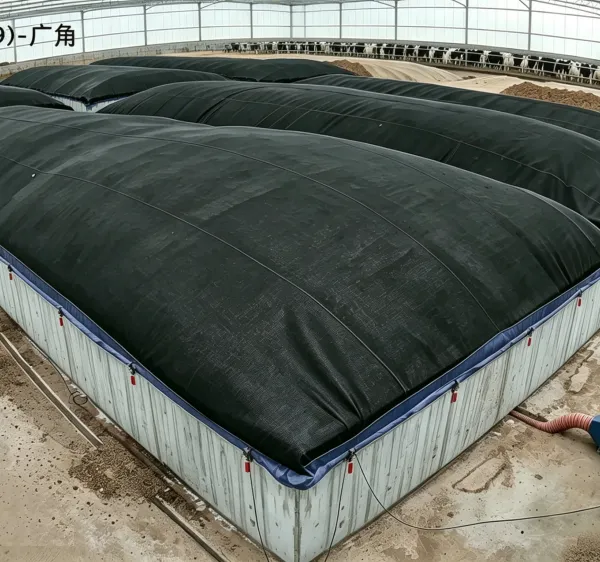
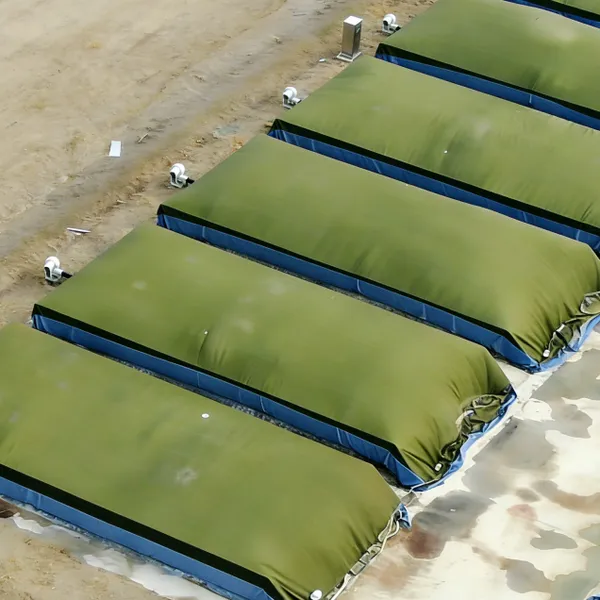
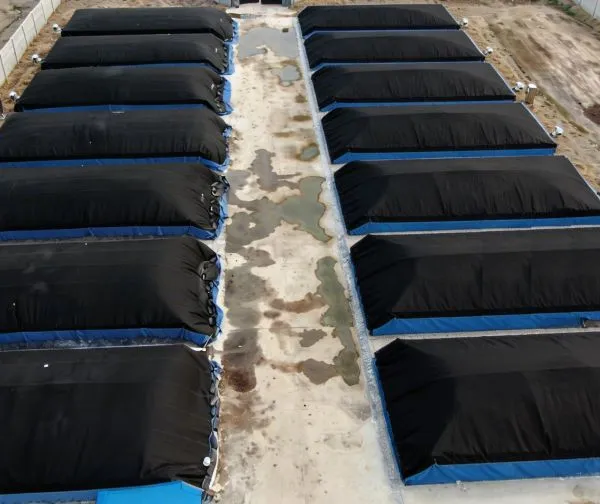
Adaptable to extreme weather including heavy rain, snow, high temperature and strong wind, no water accumulation, membrane rupture or deformation occurs. The membrane is lightweight, flexible and customizable in size, suitable for strip-stack composting, static aerated composting and enclosed workshop fermentation systems. It supports quick laying and recycling, with low later maintenance difficulty.
4. Applicable Organic Waste Fermentation Scenarios
Livestock and poultry manure waste: cattle, pig, chicken and sheep manure aerobic composting
Kitchen & catering organic waste: household kitchen waste, food processing residue fermentation
Agricultural waste: crop straw, rice husk, vegetable residue, orchard branch waste composting
Municipal solid waste: domestic organic fraction, landscape greening waste, municipal dewatered sludge
Industrial organic residue: traditional Chinese medicine residue, brewer’s grains, sugar mill residue fermentation
5. Physical & Chemical Core Parameters
Membrane raw material: 100% pure expanded PTFE microporous membrane
Average pore size: 0.2μm-0.4μm
Air permeability: 20-30 L/(m²·s)
Operating temperature range: -40℃ ~ 90℃
Odor interception rate: ≥95%
Tensile strength: ≥35MPa, strong tear resistance
Hydrophobic property: 100% waterproof, zero liquid water penetration
6. Environmental & Economic Value
In terms of environmental benefits, this PTFE semi-permeable membrane realizes closed odor-free composting, cuts greenhouse gas and toxic gas emissions during waste treatment, reduces secondary pollution of soil and water body, and boosts circular economy development of organic waste resource recovery. In terms of economic benefits, it saves energy consumption of forced aeration and odor treatment systems, reduces labor input of manual pile turning, lowers overall operation cost of organic fertilizer factories and waste disposal stations; high-quality mature compost produced can be directly applied to ecological agriculture, garden planting and soil remediation, bringing extra economic benefits.
7. Conclusion
As a specialized functional membrane for organic waste compost fermentation, the special PTFE semi-permeable membrane integrates high-efficiency gas-water separation, odor control, corrosion resistance and durable usability. It upgrades traditional open and semi-closed composting processes, realizes high-efficiency, low-cost and environmentally friendly aerobic fermentation, and is a preferred core material for modern standardized organic waste disposal and commercial organic fertilizer production worldwide.
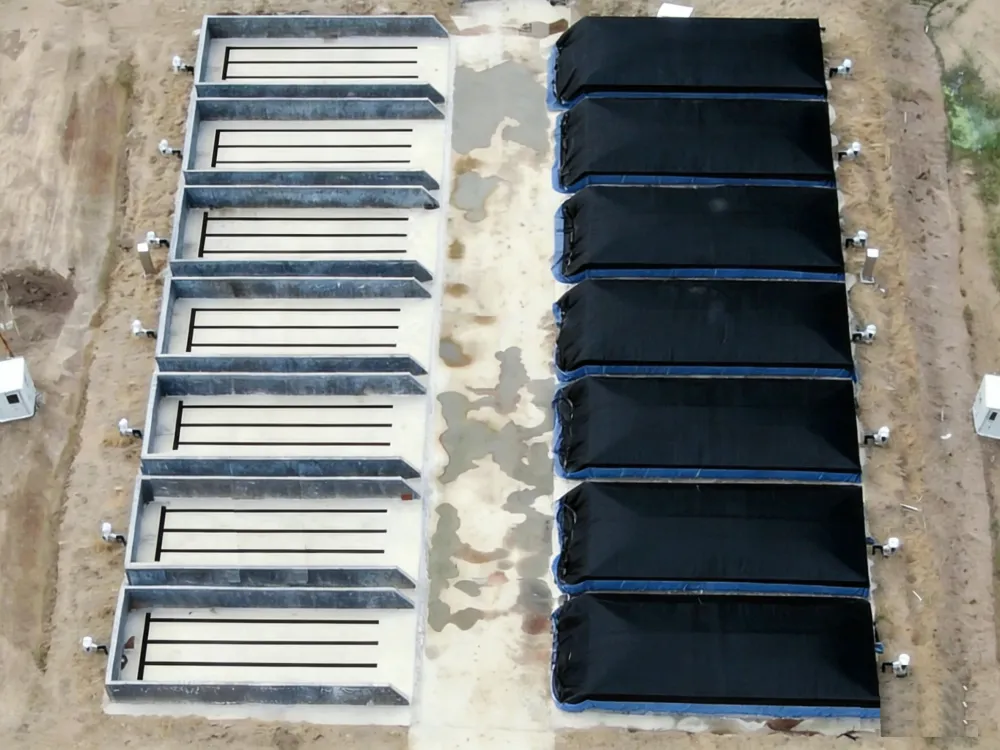
Recently Posted
-
gegood Domestic waste and feces composting covered with semi-permeable membrane
June 23, 2026Introduction to Domestic Waste and Feces Composting Covered with Semi-Permeable MembraneSemi-permeable membrane-covered composting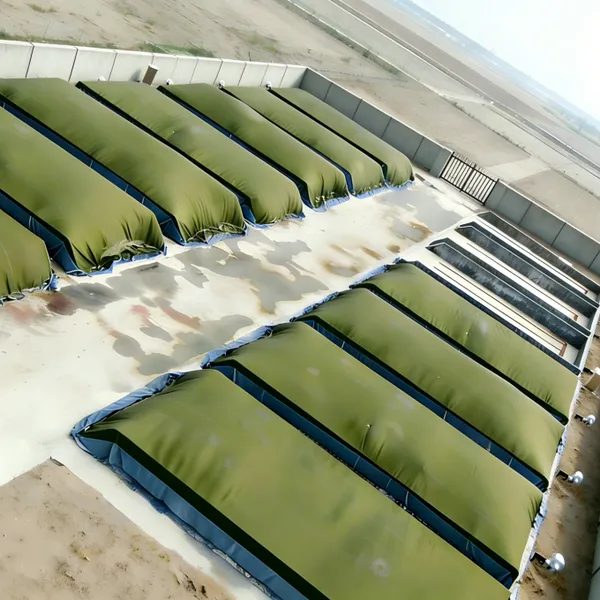 Read More
 -
Domestic waste and feces composting covered with semi-permeable membrane of gegood
June 23, 2026Introduction to Domestic Waste and Feces Composting Covered with Semi-Permeable MembraneSemi-permeable membrane-covered composting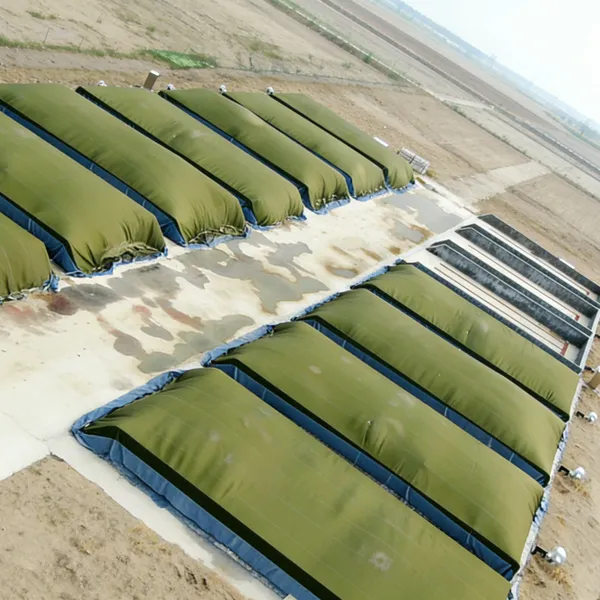 Read More
 -
Introduction to Domestic Waste and Feces Composting Covered with Semi-Permeable Membrane gegood
June 23, 2026Introduction to Domestic Waste and Feces Composting Covered with Semi-Permeable MembraneSemi-permeable membrane-covered composting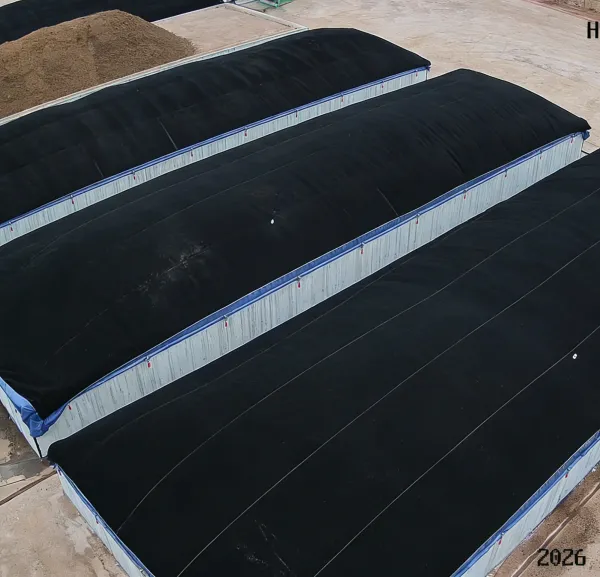 Read More
 -
Introduction to Domestic Waste and Feces Composting Covered with Semi-Permeable Membrane
June 23, 2026Introduction to Domestic Waste and Feces Composting Covered with Semi-Permeable MembraneSemi-permeable membrane-covered composting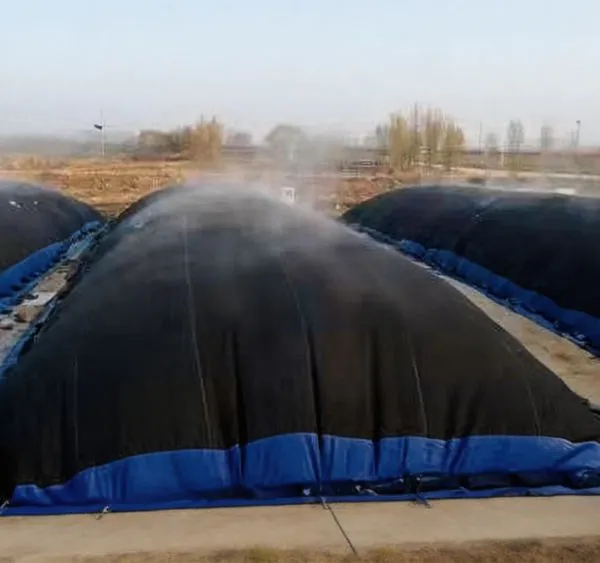 Read More

Contact Us
Recommended Products
-
 Organic Household Waste Composting Treatment Covered With EPTFE Semi-permeable Membrane222US$ 20000 - 25000MOQ: 1 Piece
 -
Household Waste Fermentation Organic Fertilizer Equipment (covered With Permeable Membrane)US$ 20000 - 25000MOQ: 1 Piece
-
Animal Manure Fermentation Organic Fertilizer Equipment (covered With Permeable Membrane) JiguangkejUS$ 20000 - 25000MOQ: 1 Piece
-
Animal Manure Fermentation Organic Fertilizer Equipment (covered With Permeable Membrane) 6US$ 20000 - 25000MOQ: 1 Piece
-
Animal Manure Fermentation Organic Fertilizer Equipment (covered With Permeable Membrane) of GegoodUS$ 20000 - 25000MOQ: 1 Piece
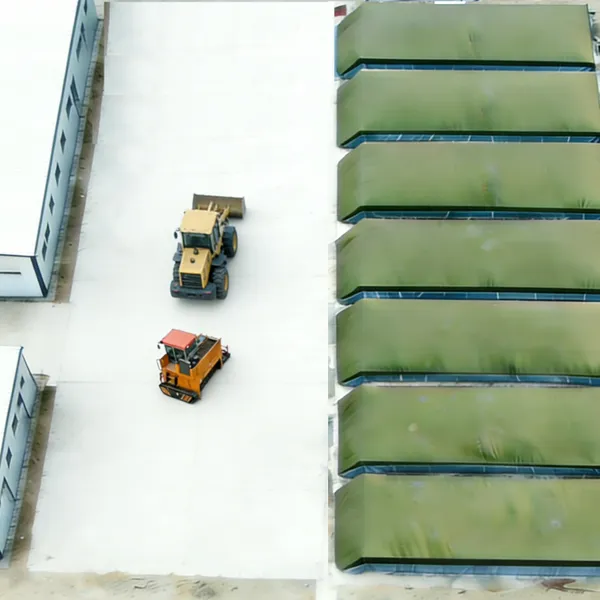
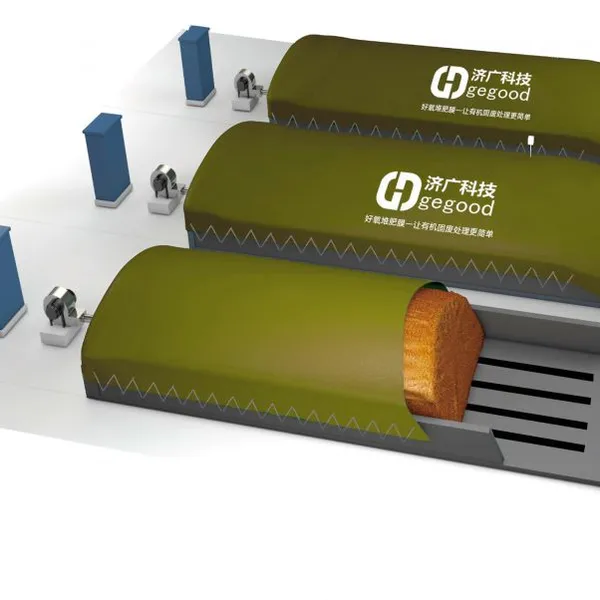
-
Animal Manure Fermentation Organic Fertilizer Equipment (covered With Permeable Membrane) JiguangUS$ 20000 - 25000MOQ: 1 Piece
-
Animal Manure Fermentation Organic Fertilizer Equipment (covered With Permeable Membrane)4US$ 20000 - 25000MOQ: 1 Piece
-
Animal Manure Fermentation Organic Fertilizer Equipment (covered With Permeable Membrane)1US$ 20000 - 25000MOQ: 1 Piece
-
Animal Manure Fermentation Organic Fertilizer Equipment (covered With Permeable Membrane) GegoodUS$ 20000 - 25000MOQ: 1 Piece
-
Animal Manure Fermentation Organic Fertilizer Equipment (covered With Permeable Membrane)US$ 20000 - 25000MOQ: 1 Piece
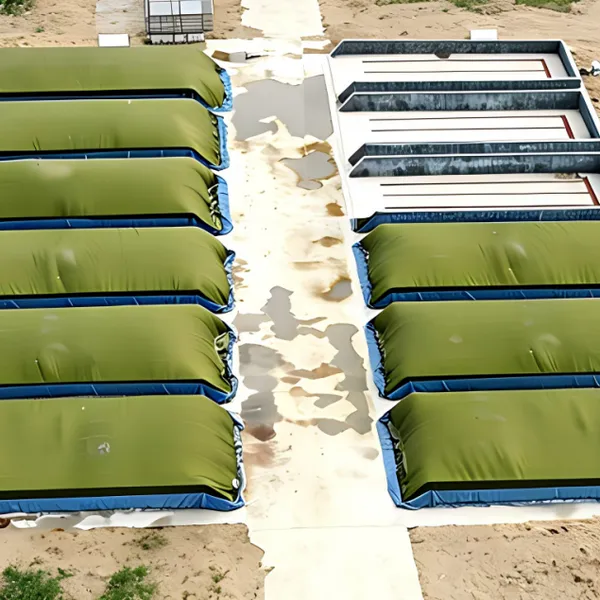
-
Equipment for Fermenting Organic Fertilizer From Animal Manure (covered With Permeable Membrane)US$ 20000 - 25000MOQ: 1 Piece
-
Organic Household Waste Composting Treatment Covered With EPTFE Semi-permeable Membrane Gegood QingdaUS$ 20000 - 25000MOQ: 1 Piece
-
Organic Household Waste Composting Treatment Covered With EPTFE Semi-permeable Membrane 3US$ 20000 - 25000MOQ: 1 Piece
-
Organic Household Waste Composting Treatment Covered With EPTFE Semi-permeable Membrane 2US$ 20000 - 25000MOQ: 1 Piece
-
Organic Household Waste Composting Treatment Covered With EPTFE Semi-permeable Membrane 1US$ 20000 - 25000MOQ: 1 Piece
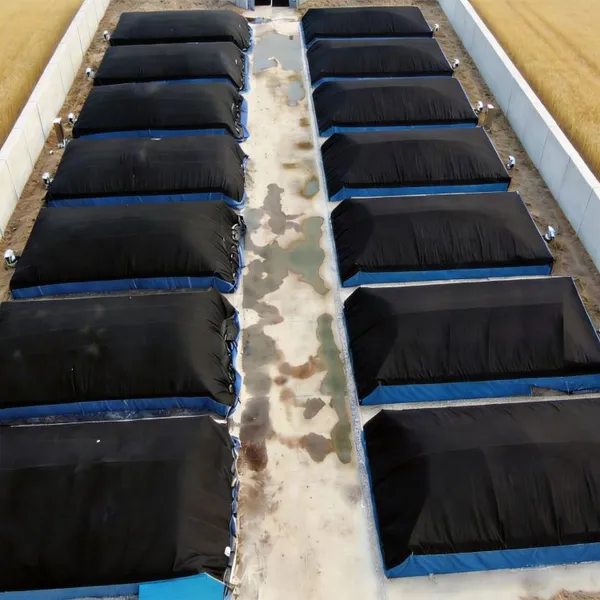
-
Organic Household Waste Composting Treatment Covered With EPTFE Semi-permeable Membrane of GegoodUS$ 20000 - 25000MOQ: 1 Piece
-
Organic Household Waste Composting Treatment Covered With Gegood® EPTFE Semi-permeable MembraneUS$ 20000 - 25000MOQ: 1 Piece
-
Organic Household Waste Composting Treatment Covered With EPTFE Semi-permeable MembraneUS$ 20000 - 25000MOQ: 1 Piece
-
Semi-permeable Membrane for Compost Fermentation to Domestic Waste of GegoodUS$ 20000 - 25000MOQ: 1 Piece
-
Gegood Organic Fertilizer Fermentation Treatment of Household Waste, Compost Cover Film EPTFE Semi-permeable MembraneUS$ 20000 - 25000MOQ: 1 Piece