 Business License

gegood to Fermenting household waste into organic fertilizer using ePTFE semi-permeable membrane
Fermenting Household Food Waste into Organic Fertilizer Using ePTFE Semi-Permeable Membrane Technology
1. Introduction
The generation of household food waste has become an increasingly pressing environmental challenge worldwide. According to the Food and Agriculture Organization (FAO), approximately one-third of all food produced for human consumption is lost or wasted globally each year, amounting to about 1.3 billion tons. A substantial portion of this waste originates from households—kitchen scraps, leftover meals, vegetable peels, fruit trimmings, and spoiled ingredients—that often end up in landfills, where they decompose anaerobically and release methane, a greenhouse gas approximately 25 times more potent than carbon dioxide over a 100-year period.
Composting has long been recognized as a sustainable approach to transforming organic waste into nutrient-rich fertilizer. However, traditional home composting methods face significant limitations: slow decomposition rates, unpleasant odors, attraction of pests, and inconsistent product quality. These challenges have discouraged many households from adopting composting practices, leaving the majority of kitchen waste to follow a linear “take-make-dispose” pathway.
In recent years, an innovative technology has emerged that addresses these challenges: ePTFE (expanded polytetrafluoroethylene) semi-permeable membrane-covered aerobic composting, also known as Semi-permeable Membrane-covered High-temperature Aerobic Composting (SMHC). Semi-permeable membrane-covered high-temperature aerobic composting (SMHC) is a suitable technology for the safe treatment and disposal of organic solid waste as well as for improving the quality of the final compost-2. This article provides a comprehensive overview of how this technology can be adapted for household food waste fermentation, covering its working principle, key advantages, process parameters, and practical considerations for small-scale implementation.
2. The Challenge of Household Food Waste Composting
Household kitchen waste presents unique challenges compared to other organic feedstocks such as agricultural residues or yard trimmings:
High moisture content: Kitchen waste typically has a moisture content of 70–85%, which can lead to waterlogging and anaerobic conditions in conventional compost piles.
Low carbon-to-nitrogen (C/N) ratio: Food scraps generally have a C/N ratio of 15–20:1, below the optimal range of 25–30:1 for aerobic composting, resulting in nitrogen loss as ammonia.
Rapid acidification: The accumulation of organic acids during initial decomposition can lower pH, inhibiting microbial activity.
Odor generation: Decomposing proteins and fats produce volatile organic compounds (VOCs), ammonia, and sulfur-containing gases that create nuisance odors.
Inconsistent feedstock composition: Household waste varies daily in terms of composition, volume, and degradability.
These characteristics make household food waste particularly difficult to compost effectively using traditional methods, especially in decentralized, small-scale systems where operator attention is limited.
3. The ePTFE Semi-Permeable Membrane: Structure and Working Principle
The ePTFE semi-permeable membrane is the core technological innovation enabling effective household food waste composting. The membrane is typically constructed as a three-layer composite material:
Layer structure:
Outer layer: High-quality UV-resistant and anti-aging polyester fabric that provides mechanical strength, weather resistance, and durability for outdoor exposure.
Middle layer (functional layer): ePTFE microporous membrane with pore sizes typically ranging from 0.02 to 0.2 microns.
Inner layer: Acid- and alkali-resistant polyester fabric that protects the functional layer and withstands the corrosive environment of the composting pile.
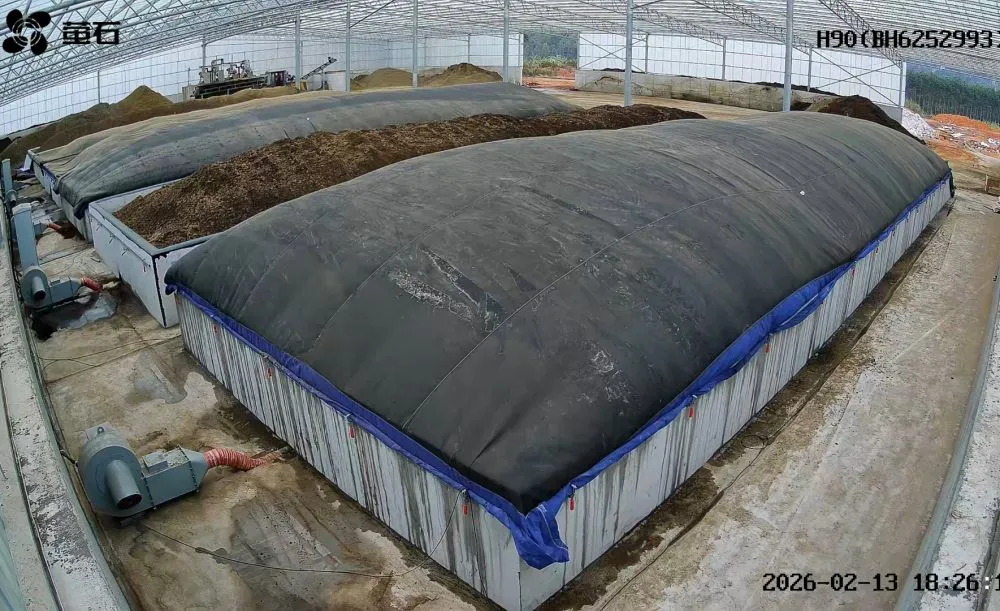
The ePTFE membrane possesses a unique selective permeability property: its submicron pores allow water vapor and carbon dioxide to escape while retaining odorous molecules, pathogens, and aerosols. The working mechanism can be described through several key functions:
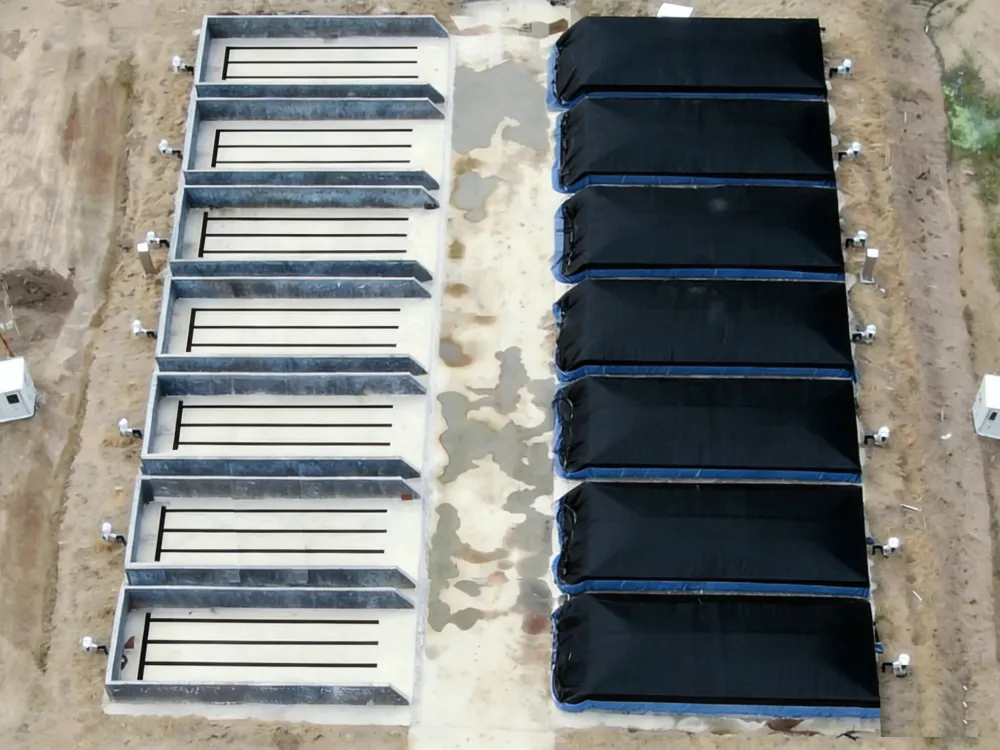
Formation of micro-positive pressure environment: The semi-permeable membrane can form a micro-positive pressure environment under the membrane, promote the uniform distribution of air in the heap, reduce the proportion of anaerobic area in the heap, improve the decomposition rate of organic matter, accelerate the decomposition of compost and improve the quality of compost-3.
Selective mass transfer: Water vapor and carbon dioxide can diffuse out with the help of the microporous structure of the functional membrane to maintain the airflow balance inside and outside the fermentation reactor membrane to ensure aerobic fermentation is carried out more fully and thoroughly-6.
Odor and pathogen containment: Pathogenic microorganisms are effectively killed to ensure the hygienic level of fermented products. The membrane prevents bacteria and odors from passing through-6.
Condensate recycling: During fermentation, water vapor condenses on the inner surface of the membrane, forming droplets that fall back onto the pile. Stimulatory odors such as ammonia dissolve in the condensate and return to the material, thus solving odor problems without requiring external deodorization systems-14.
Environmental isolation: The membrane provides rain resistance, breathability, insulation, and odor prevention functions, protecting the pile from adverse weather while enabling gaseous exchange-4.
4. Adapting ePTFE Membrane Technology for Household Food Waste
Unlike large-scale agricultural or municipal composting facilities, household-level applications require smaller, more flexible systems. Several adaptations make ePTFE membrane technology suitable for household food waste fermentation:
4.1 Small-Scale Reactor Designs
Laboratory-scale research has demonstrated the feasibility of compact ePTFE-covered reactors. A lab-scale intelligent membrane-covered aerobic composting reactor system with an effective volume of approximately 90 liters has been successfully designed and tested, featuring a fermentation system, gas distribution system, membrane-covered system, and control system-9. For household applications, containers ranging from 50 to 200 liters can be equipped with ePTFE covers and basic aeration systems.
4.2 Simplified Aeration Management
Household systems can utilize passive aeration through carefully designed perforated base plates or, alternatively, low-power positive-pressure blowers that operate intermittently. The membrane’s pressure-boosting effect makes air distribution more uniform, enhances the penetration of air flow, and reduces the required ventilation volume-4. For minimal-cost household systems, manual turning combined with the membrane cover can provide adequate oxygen distribution.
4.3 Feedstock Preparation and Conditioning
To address the high moisture content and low C/N ratio of kitchen waste, several conditioning strategies are recommended:
Addition of bulking agents: Mixing food waste with dry, carbon-rich materials such as shredded paper, cardboard, sawdust, dried leaves, or coconut coir helps adjust moisture content to the optimal range of 55–65%.
C/N ratio adjustment: Adding carbon-rich materials raises the C/N ratio toward the optimal 25–30:1 range.
Particle size reduction: Chopping or grinding kitchen waste increases surface area for microbial colonization.
Biochar supplementation: Research has shown that molecular membrane covering coupled with 5% biochar can effectively improve material temperature during aerobic fermentation and extend the duration of the high-temperature period-.
5. Fermentation Process and Parameters
When properly managed, ePTFE membrane-covered household food waste undergoes a well-defined fermentation process:
| Phase | Duration | Temperature | Key Activities |
|---|---|---|---|
| Mesophilic phase | Days 1–3 | 20–45°C | Initial microbial colonization; organic acid production |
| Thermophilic phase | Days 4–18 | 55–65°C | Rapid decomposition of proteins, fats, carbohydrates; pathogen inactivation |
| Cooling and maturation | Days 19–30 | 30–50°C | Humification; stabilization of organic matter |
The fermentation temperature should be controlled between 55°C and 70°C. When the pile temperature exceeds 75°C, turning or forced ventilation should be performed-14. The entire membrane-covered fermentation cycle typically ranges from 15 to 25 days for the main fermentation phase, depending on ambient temperature and feedstock characteristics.
6. Environmental and Quality Advantages
ePTFE membrane technology offers significant benefits over conventional composting methods, particularly for household applications:
6.1 Odor Elimination
The membrane’s selective permeability retains odorous compounds. Stimulatory-smelling ammonia and condensate together fall back into the material, eliminating the need for external deodorizing systems and solving environmental odor problems-14. This makes indoor or balcony composting feasible for households in urban settings.
6.2 Greenhouse Gas Reduction
Unlike anaerobic decomposition in landfills, the aerobic environment maintained by the ePTFE membrane minimizes methane and nitrous oxide (N₂O) production. The micro-positive pressure system ensures oxygen reaches all parts of the pile, suppressing anaerobic zones that would otherwise produce methane.
6.3 Nutrient Retention
Nitrogen loss—one of the greatest challenges in food waste composting—is substantially reduced. The membrane’s ability to condense and return ammonia-containing water vapor back to the pile preserves nitrogen content, resulting in fertilizer with higher nutrient value.
6.4 Pathogen Inactivation
The sustained high temperatures (55–65°C) achieved under the membrane ensure effective sterilization. Pathogenic microorganisms present in raw kitchen waste are killed, ensuring the hygienic safety of the final product.
6.5 Product Quality
The resulting organic fertilizer exhibits favorable characteristics: dark brown color, earthy smell, crumbly texture, and stable organic matter content. After membrane-covered fermentation, the organic fertilizer can effectively improve soil quality and enable crops to meet green or organic product standards-.
7. Practical Implementation for Households
7.1 System Components
A complete household ePTFE membrane composting system consists of:
Composting container: Food-grade plastic or stainless steel container with perforated false bottom for drainage and aeration
ePTFE membrane cover: Custom-sized three-layer composite cover with secure attachment mechanism
Optional aeration system: Small low-power fan (≤5W) with timer for forced positive-pressure aeration
Collection bin: For accumulating kitchen waste prior to transfer to the composter
7.2 Operational Guidelines
Daily operation:
Add kitchen waste mixed with carbon-rich bulking agent (ratio approximately 1:1 by volume)
Ensure membrane remains properly sealed after each addition
Monitor internal temperature using a compost thermometer
Weekly maintenance:
Turn the pile every 7–10 days to ensure uniformity (when temperature reaches 60°C or above, maintaining 7–10 days before turning)-14
Check moisture level; if too dry, mist lightly with water; if too wet, add more bulking agent
Inspect membrane for damage or accumulated debris
Complete cycle management:
Allow 3–4 weeks for main fermentation after the container reaches full capacity
Transfer partially decomposed material to a secondary container for maturation (additional 2–4 weeks) or use directly as soil amendment after a shorter curing period
7.3 Indicator of Successful Fermentation
| Indicator | Success Criteria |
|---|---|
| Temperature | Sustained 55–65°C for ≥7 consecutive days |
| Odor | No ammonia or putrid smell; slight earthy odor only |
| Appearance | Uniform dark brown color; original food scraps unrecognizable |
| Texture | Crumbly, non-sticky, easily crumbled by hand |
| pH | 6.5–8.0 |
8. Challenges and Considerations for Household Adoption
While ePTFE membrane technology represents a significant advance, several factors must be considered for successful household implementation:
Initial investment: The cost of ePTFE membrane materials is higher than that of conventional compost bins or tumblers. However, durability (the membrane can last 5–8 years with proper care) and operational savings offset the initial expense.
Space requirements: Even a compact 100-liter system requires approximately 0.5 square meters of floor or balcony space, which may be challenging for very small apartments.
Feedstock consistency: Households must maintain a balanced diet of “greens” (nitrogen-rich kitchen scraps) and “browns” (carbon-rich bulking materials), which requires planning and ongoing supply of bulking agents.
Climate dependence: While the membrane provides insulation and weather protection, extremely cold ambient temperatures can slow fermentation and require supplementary heating or extended processing times.
Learning curve: Users must learn proper feedstock preparation, moisture management, turning schedules, and troubleshooting—a small but meaningful investment in knowledge.
9. Case Study: Smart Molecular Membrane Systems for Organic Waste
Integrated systems known as “NCS Smart Molecular Membrane Fermentation Systems” have been developed for treating various organic wastes, including kitchen waste-18. These systems combine three core components:
Membrane covering system: A specially fabricated ePTFE membrane with two sturdy polyester layers, offering hydrophobicity, aging resistance, and chemical corrosion resistance
Micro-pressure aeration system: Energy-efficient intermittent oxygen supply that creates uniform air distribution-18
IoT monitoring system: Remote sensing and control via cloud platform, enabling smartphone-based monitoring and automated aeration adjustment-18
This technology has been successfully applied to kitchen waste, municipal sludge, livestock manure, and crop residues, demonstrating rapid fermentation, minimal odor release, and high-quality organic fertilizer production.
10. Conclusion
The ePTFE semi-permeable membrane technology offers a transformative approach to fermenting household food waste into high-quality organic fertilizer. By creating a controlled micro-environment characterized by micro-positive pressure, selective mass transfer, and thermal insulation, this technology overcomes the primary barriers that have historically limited household composting adoption: odor, slow decomposition, nutrient loss, and product inconsistency.
For households, the integration of ePTFE membrane covers with appropriately sized containers and basic aeration systems enables:
Complete odor control, making indoor composting feasible
Accelerated decomposition (3–4 weeks vs. 3–6 months for conventional methods)
Retention of nitrogen and other plant nutrients
Production of safe, pathogen-free organic fertilizer for home gardening
While initial costs and learning requirements exist, the long-term benefits—reduced landfill contribution, lower greenhouse gas emissions, closed-loop nutrient cycling, and free, high-quality soil amendment—make ePTFE membrane-covered composting a compelling choice for environmentally conscious households. As manufacturing scales increase and system designs continue to evolve, this technology has the potential to become the new standard for decentralized organic waste management in residential settings.
Future developments may include even smaller modular units specifically designed for apartment dwellers, integration with smart home monitoring systems, and low-cost membrane materials optimized for household use. By adopting ePTFE membrane technology today, households can participate actively in the circular economy while producing valuable organic fertilizer from what would otherwise be waste.
Recently Posted
-
gegood Domestic waste and feces composting covered with semi-permeable membrane
June 23, 2026Introduction to Domestic Waste and Feces Composting Covered with Semi-Permeable MembraneSemi-permeable membrane-covered composting Read More
 -
Domestic waste and feces composting covered with semi-permeable membrane of gegood
June 23, 2026Introduction to Domestic Waste and Feces Composting Covered with Semi-Permeable MembraneSemi-permeable membrane-covered composting Read More
 -
Introduction to Domestic Waste and Feces Composting Covered with Semi-Permeable Membrane gegood
June 23, 2026Introduction to Domestic Waste and Feces Composting Covered with Semi-Permeable MembraneSemi-permeable membrane-covered composting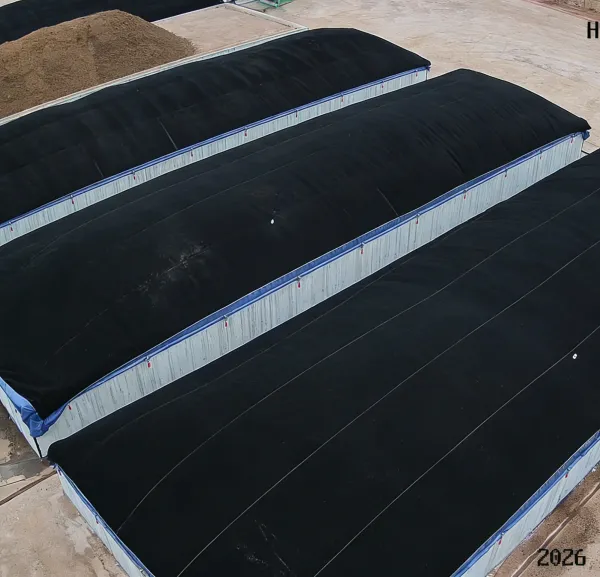 Read More
 -
Introduction to Domestic Waste and Feces Composting Covered with Semi-Permeable Membrane
June 23, 2026Introduction to Domestic Waste and Feces Composting Covered with Semi-Permeable MembraneSemi-permeable membrane-covered composting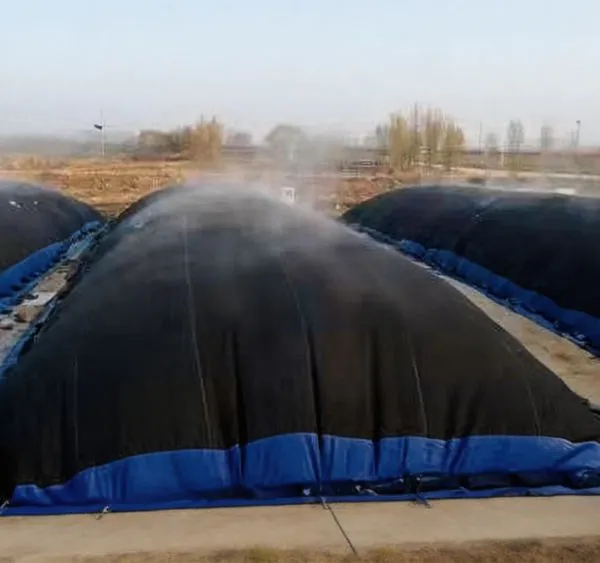 Read More

Contact Us
Recommended Products
-
 Organic Household Waste Composting Treatment Covered With EPTFE Semi-permeable Membrane222US$ 20000 - 25000MOQ: 1 Piece
 -
Household Waste Fermentation Organic Fertilizer Equipment (covered With Permeable Membrane)US$ 20000 - 25000MOQ: 1 Piece
-
Animal Manure Fermentation Organic Fertilizer Equipment (covered With Permeable Membrane) JiguangkejUS$ 20000 - 25000MOQ: 1 Piece
-
Animal Manure Fermentation Organic Fertilizer Equipment (covered With Permeable Membrane) 6US$ 20000 - 25000MOQ: 1 Piece
-
Animal Manure Fermentation Organic Fertilizer Equipment (covered With Permeable Membrane) of GegoodUS$ 20000 - 25000MOQ: 1 Piece
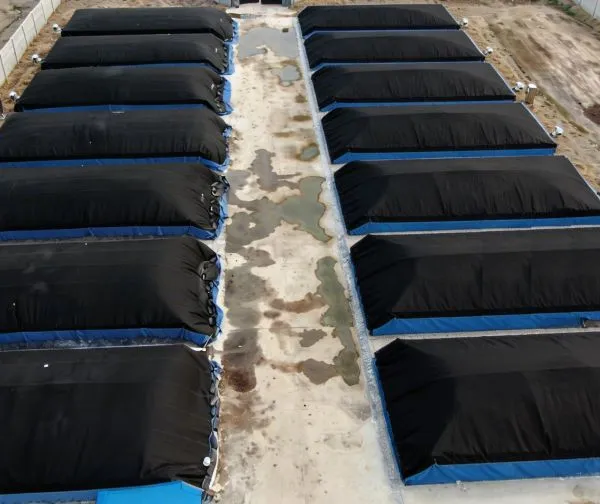
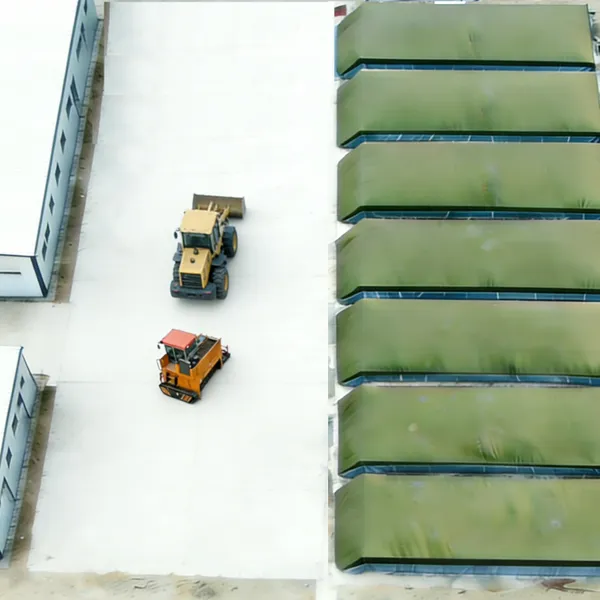
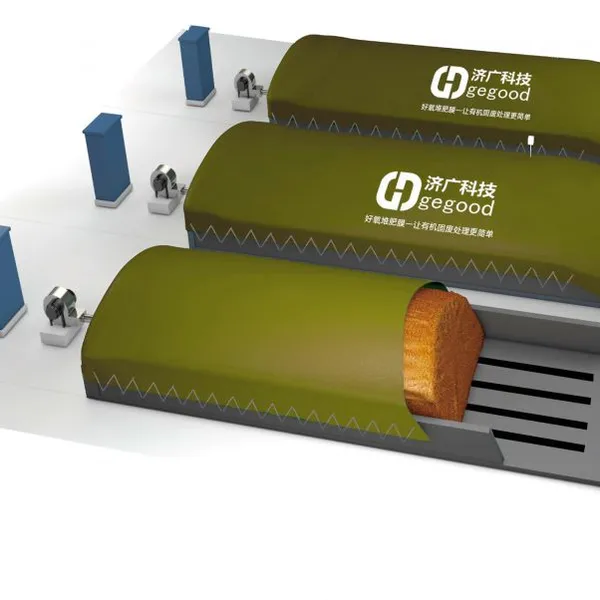
-
Animal Manure Fermentation Organic Fertilizer Equipment (covered With Permeable Membrane) JiguangUS$ 20000 - 25000MOQ: 1 Piece
-
Animal Manure Fermentation Organic Fertilizer Equipment (covered With Permeable Membrane)4US$ 20000 - 25000MOQ: 1 Piece
-
Animal Manure Fermentation Organic Fertilizer Equipment (covered With Permeable Membrane)1US$ 20000 - 25000MOQ: 1 Piece
-
Animal Manure Fermentation Organic Fertilizer Equipment (covered With Permeable Membrane) GegoodUS$ 20000 - 25000MOQ: 1 Piece
-
Animal Manure Fermentation Organic Fertilizer Equipment (covered With Permeable Membrane)US$ 20000 - 25000MOQ: 1 Piece
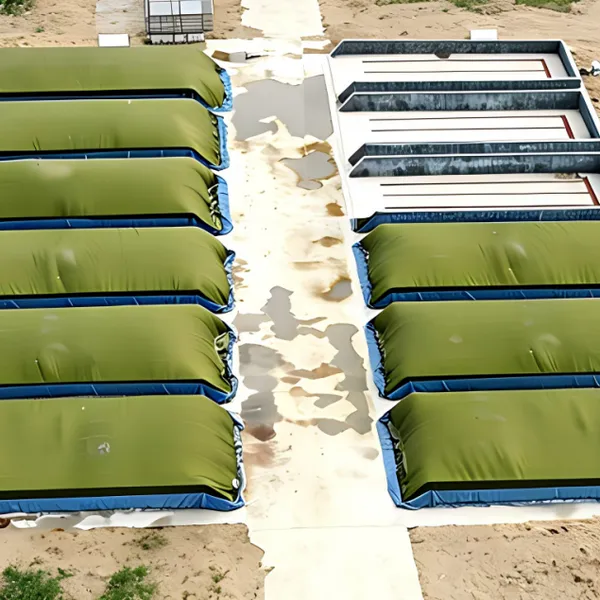
-
Equipment for Fermenting Organic Fertilizer From Animal Manure (covered With Permeable Membrane)US$ 20000 - 25000MOQ: 1 Piece
-
Organic Household Waste Composting Treatment Covered With EPTFE Semi-permeable Membrane Gegood QingdaUS$ 20000 - 25000MOQ: 1 Piece
-
Organic Household Waste Composting Treatment Covered With EPTFE Semi-permeable Membrane 3US$ 20000 - 25000MOQ: 1 Piece
-
Organic Household Waste Composting Treatment Covered With EPTFE Semi-permeable Membrane 2US$ 20000 - 25000MOQ: 1 Piece
-
Organic Household Waste Composting Treatment Covered With EPTFE Semi-permeable Membrane 1US$ 20000 - 25000MOQ: 1 Piece
-
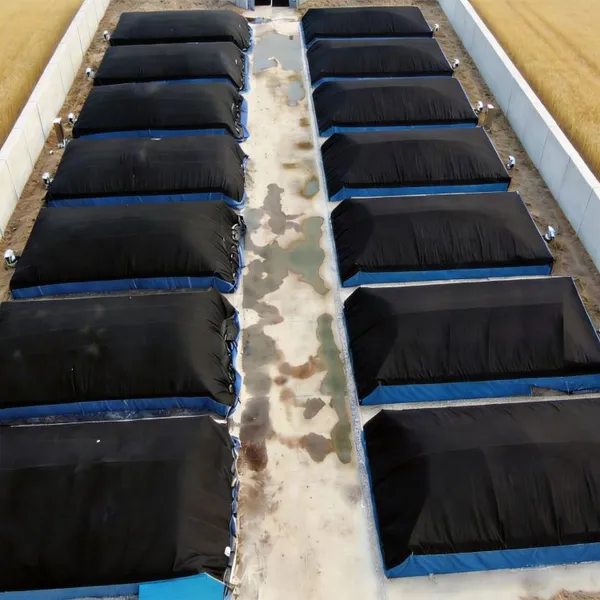
Organic Household Waste Composting Treatment Covered With EPTFE Semi-permeable Membrane of GegoodUS$ 20000 - 25000MOQ: 1 Piece
-
Organic Household Waste Composting Treatment Covered With Gegood® EPTFE Semi-permeable MembraneUS$ 20000 - 25000MOQ: 1 Piece
-
Organic Household Waste Composting Treatment Covered With EPTFE Semi-permeable MembraneUS$ 20000 - 25000MOQ: 1 Piece
-
Semi-permeable Membrane for Compost Fermentation to Domestic Waste of GegoodUS$ 20000 - 25000MOQ: 1 Piece
-
Gegood Organic Fertilizer Fermentation Treatment of Household Waste, Compost Cover Film EPTFE Semi-permeable MembraneUS$ 20000 - 25000MOQ: 1 Piece