 Business License

Producing organic fertilizer using ePTFE semi-permeable membrane of gegood
Producing Organic Fertilizer Using ePTFE Semi-Permeable Membrane
1. Raw Materials
Mainly household organic waste: kitchen scraps, fruit/vegetable residues, crop straw, fallen leaves, livestock manure, etc. Remove plastic, metal and other inorganic impurities in advance.
2. Working Principle of ePTFE Membrane
The expanded PTFE membrane features uniform micropores, hydrophobicity and air permeability. It lets oxygen, carbon dioxide and water vapor pass through freely, while blocking liquid water, malodorous gas, dust and pathogens. It keeps the compost system warm and humid, creates a stable aerobic fermentation environment, and suppresses odor diffusion.
3. Production Process
PretreatmentCrush raw materials to proper particle size, mix and adjust moisture content to 55%–65% for microbial activity.
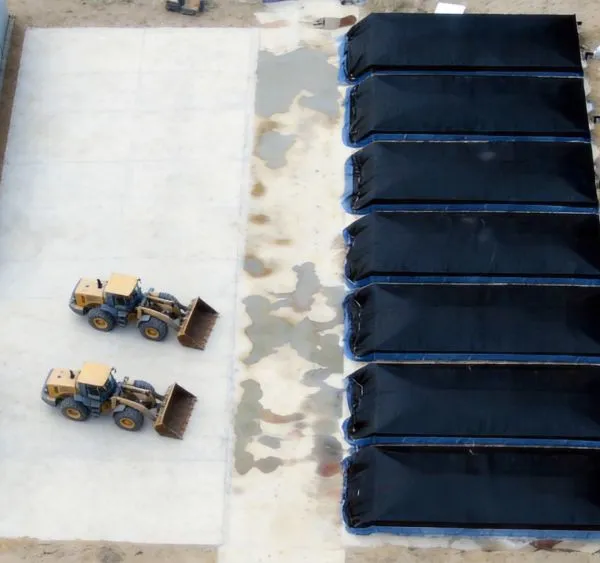
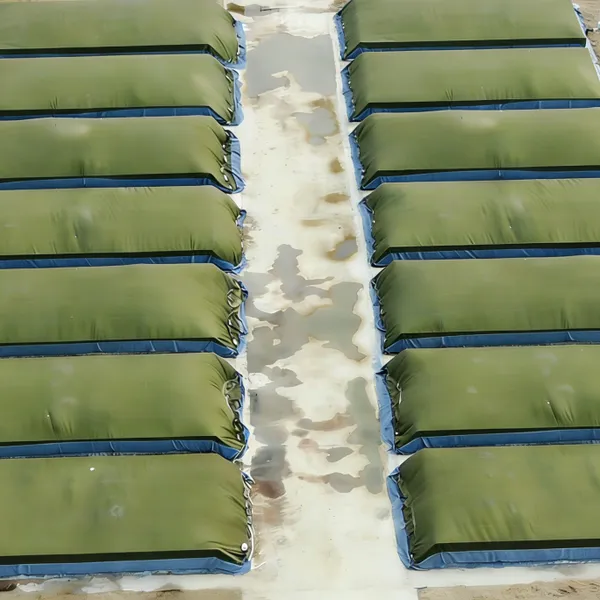
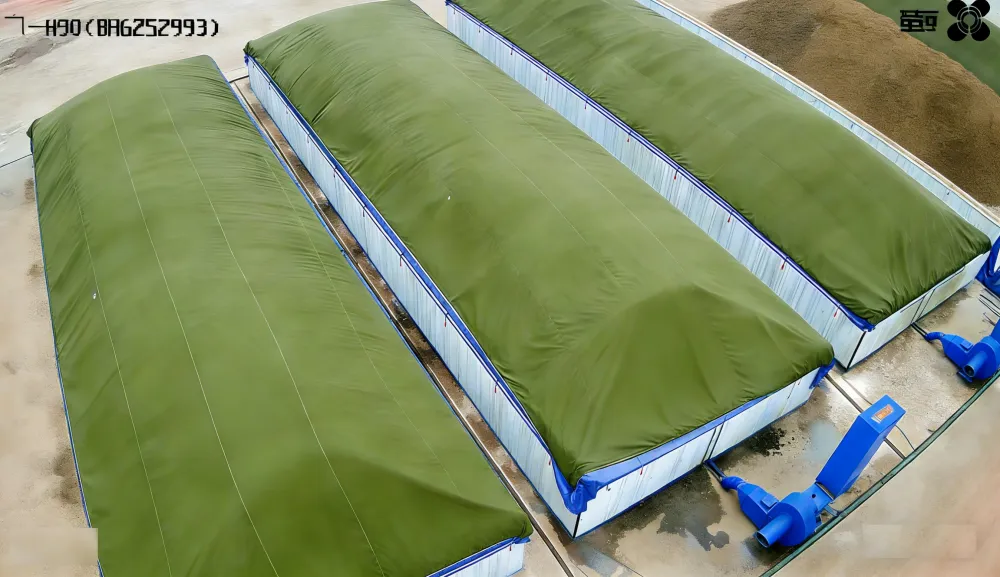
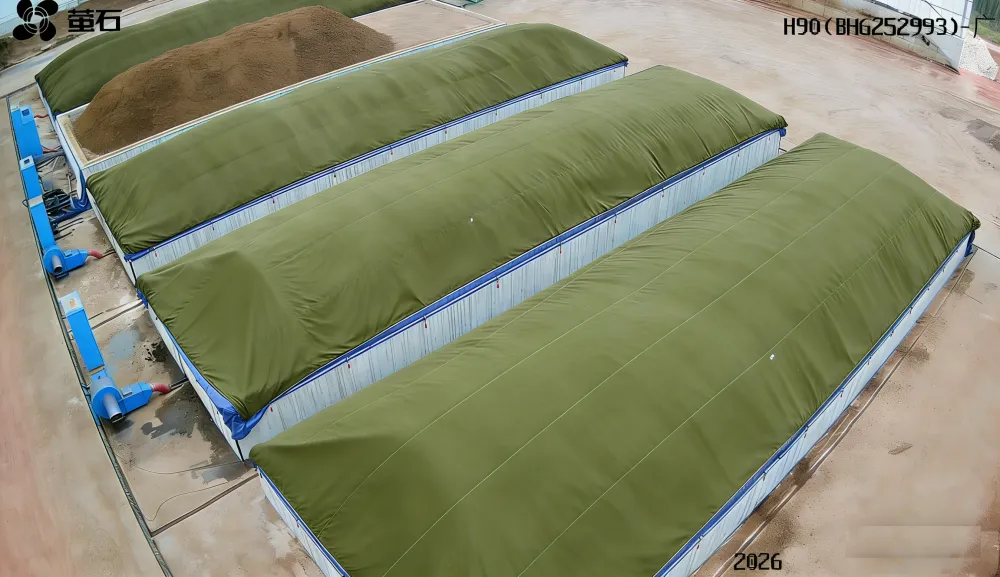
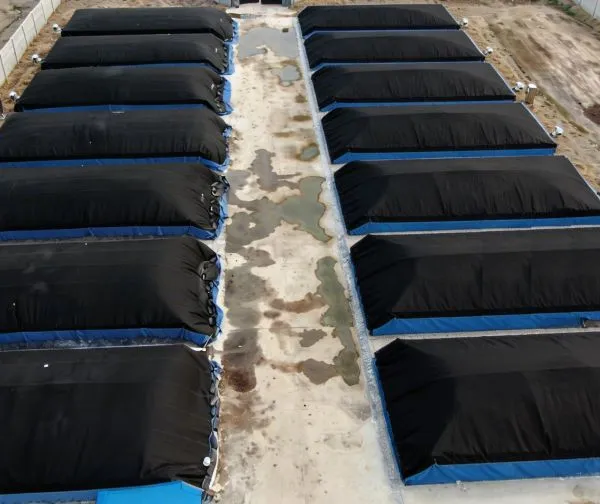
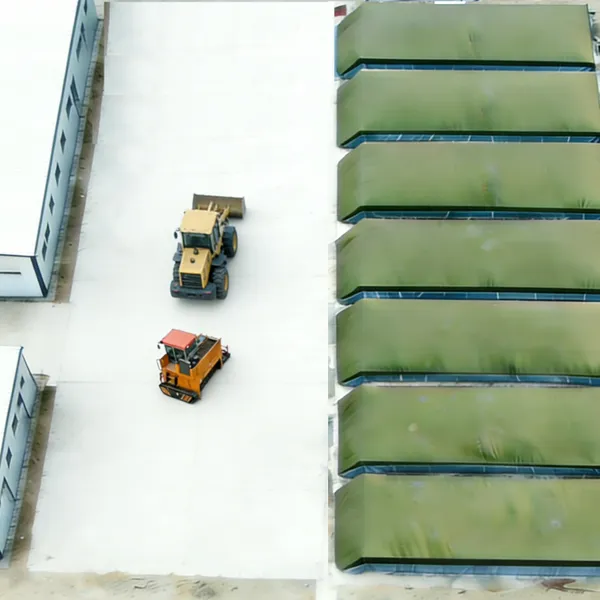
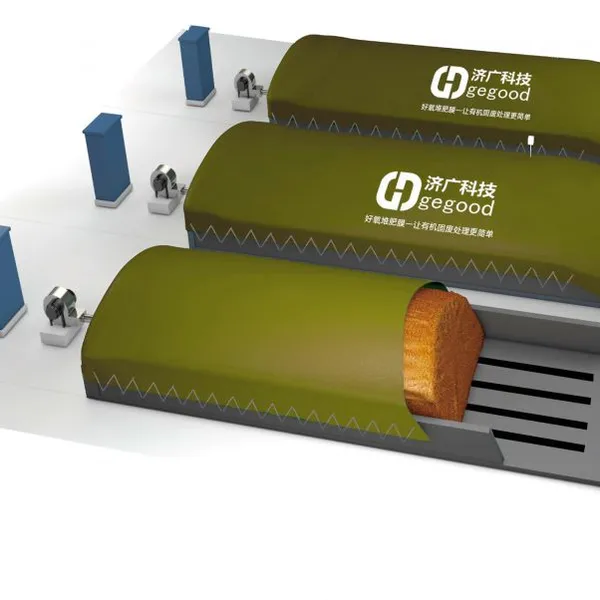
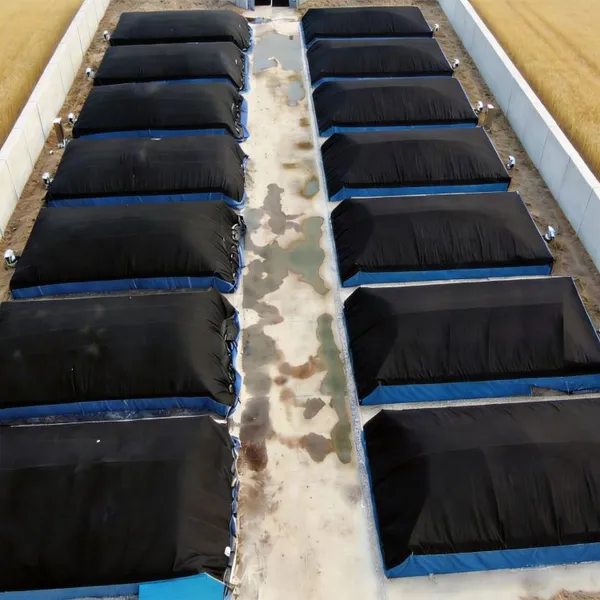
Pile Building & Membrane CoveringStack the mixed materials into compost piles, then fully cover and seal the piles with ePTFE semi-permeable membrane. Aeration pipelines can be laid inside the pile as needed.
Aerobic Fermentation (High-temperature Stage)Rely on microbial decomposition to raise the temperature to 60–70 °C, maintain for 15–20 days. High temperature kills harmful bacteria, eggs and weed seeds. The membrane realizes gas exchange and odor isolation.
Curing & MaturationRemove or keep the membrane for continued static curing for 30–45 days. The materials fully decompose and stabilize.
Post-processing & Finished ProductCrush, sieve the mature materials to obtain finished organic fertilizer.
4. Main Advantages
Excellent odor control, no pollution to surrounding environment
Stable high-temperature fermentation, thorough harmless treatment
Low energy consumption, simple operation and long membrane service life
High fertilizer quality, fully decomposed and easy to absorb by plants
5. Notes
Regularly check and clean the membrane to avoid pore blockage from organic dirt
Strictly separate inorganic waste before feeding to ensure fermentation effect
Adjust pile humidity and ventilation according to ambient temperature
Simplified English Version (for report/abstract use)
Organic Fertilizer Production with ePTFE Semi-Permeable Membrane
Organic waste such as kitchen residues and agricultural waste is used as raw material. After crushing and moisture adjustment, the materials are piled up and covered with ePTFE semi-permeable membrane.
With good air permeability and hydrophobicity, the membrane supports aerobic fermentation, maintains high temperature to realize harmless treatment, and prevents odor escape. After high-temperature fermentation and curing, the decomposed materials are processed into qualified commercial organic fertilizer.
Recently Posted
-
gegood Domestic waste and feces composting covered with semi-permeable membrane
June 23, 2026Introduction to Domestic Waste and Feces Composting Covered with Semi-Permeable MembraneSemi-permeable membrane-covered composting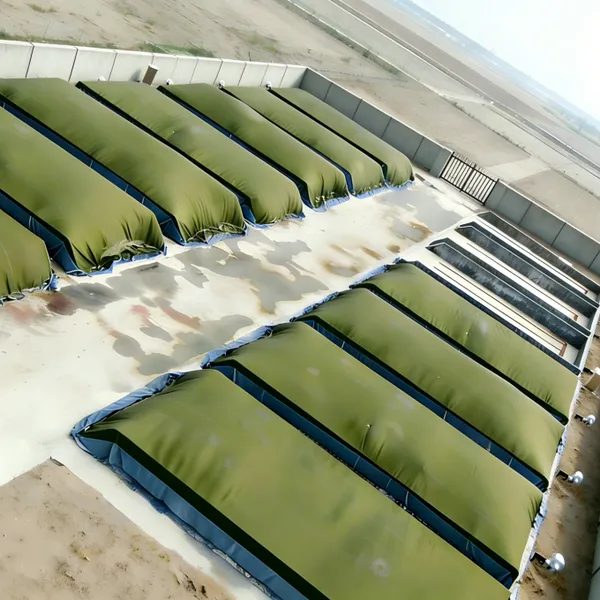 Read More
 -
Domestic waste and feces composting covered with semi-permeable membrane of gegood
June 23, 2026Introduction to Domestic Waste and Feces Composting Covered with Semi-Permeable MembraneSemi-permeable membrane-covered composting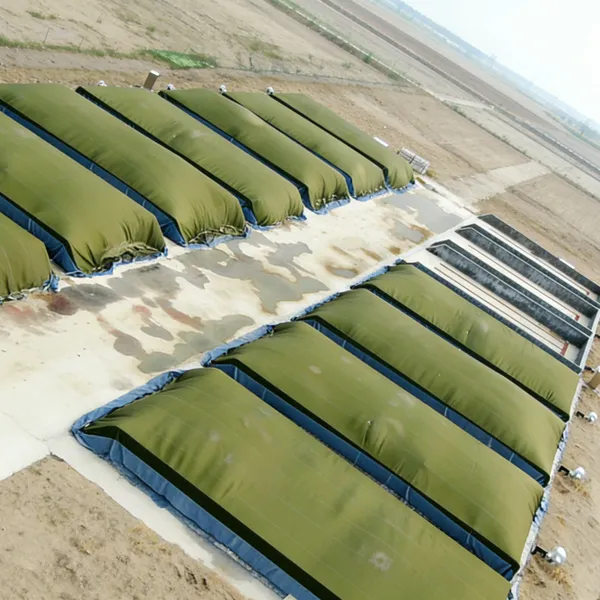 Read More
 -
Introduction to Domestic Waste and Feces Composting Covered with Semi-Permeable Membrane gegood
June 23, 2026Introduction to Domestic Waste and Feces Composting Covered with Semi-Permeable MembraneSemi-permeable membrane-covered composting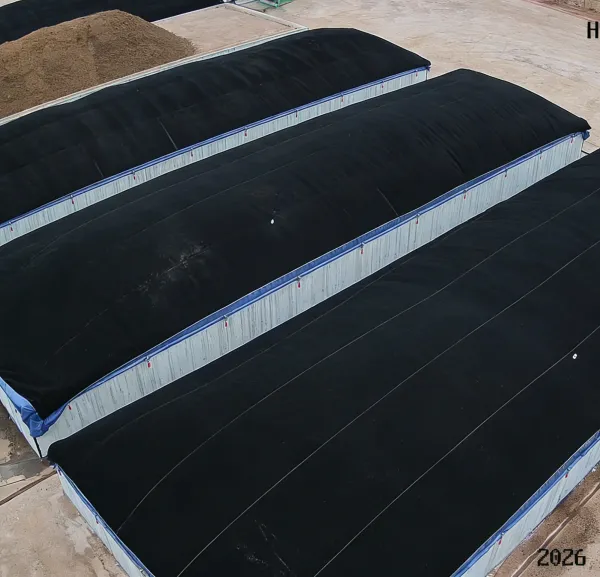 Read More
 -
Introduction to Domestic Waste and Feces Composting Covered with Semi-Permeable Membrane
June 23, 2026Introduction to Domestic Waste and Feces Composting Covered with Semi-Permeable MembraneSemi-permeable membrane-covered composting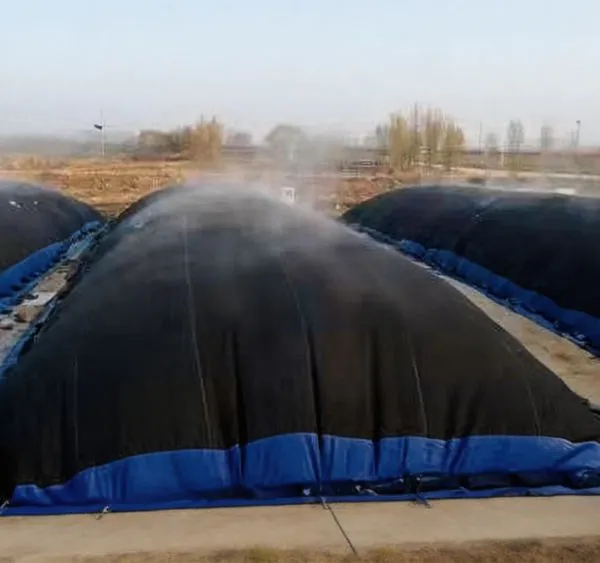 Read More

Contact Us
Recommended Products
-
 Organic Household Waste Composting Treatment Covered With EPTFE Semi-permeable Membrane222US$ 20000 - 25000MOQ: 1 Piece
 -
Household Waste Fermentation Organic Fertilizer Equipment (covered With Permeable Membrane)US$ 20000 - 25000MOQ: 1 Piece
-
Animal Manure Fermentation Organic Fertilizer Equipment (covered With Permeable Membrane) JiguangkejUS$ 20000 - 25000MOQ: 1 Piece
-
Animal Manure Fermentation Organic Fertilizer Equipment (covered With Permeable Membrane) 6US$ 20000 - 25000MOQ: 1 Piece
-
Animal Manure Fermentation Organic Fertilizer Equipment (covered With Permeable Membrane) of GegoodUS$ 20000 - 25000MOQ: 1 Piece
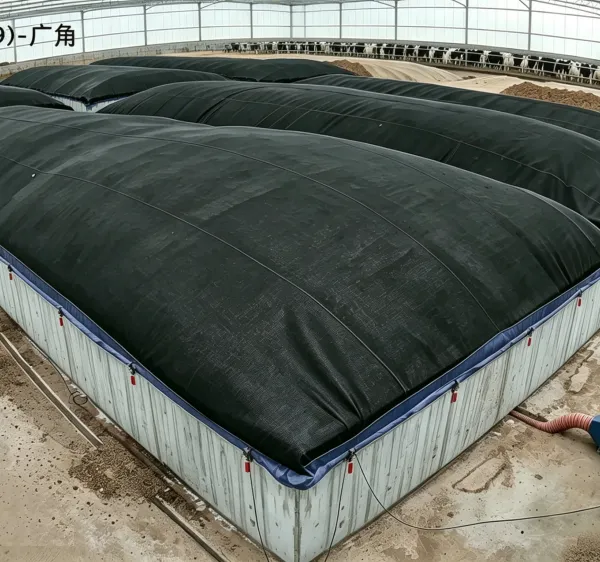
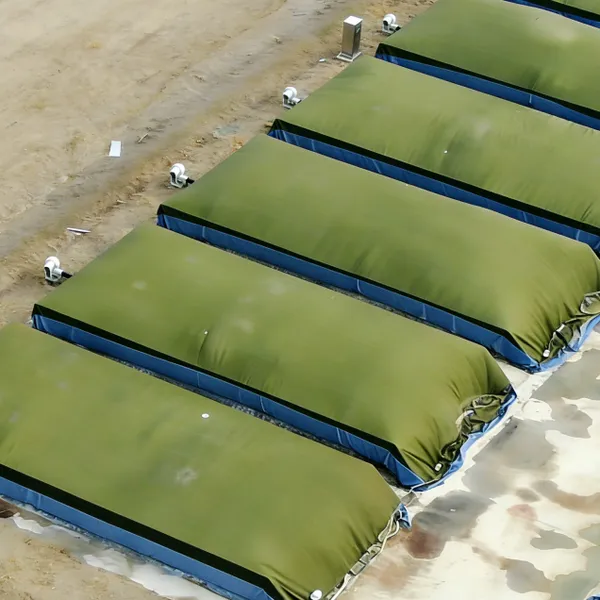
-
Animal Manure Fermentation Organic Fertilizer Equipment (covered With Permeable Membrane) JiguangUS$ 20000 - 25000MOQ: 1 Piece
-
Animal Manure Fermentation Organic Fertilizer Equipment (covered With Permeable Membrane)4US$ 20000 - 25000MOQ: 1 Piece
-
Animal Manure Fermentation Organic Fertilizer Equipment (covered With Permeable Membrane)1US$ 20000 - 25000MOQ: 1 Piece
-
Animal Manure Fermentation Organic Fertilizer Equipment (covered With Permeable Membrane) GegoodUS$ 20000 - 25000MOQ: 1 Piece
-
Animal Manure Fermentation Organic Fertilizer Equipment (covered With Permeable Membrane)US$ 20000 - 25000MOQ: 1 Piece
-
Equipment for Fermenting Organic Fertilizer From Animal Manure (covered With Permeable Membrane)US$ 20000 - 25000MOQ: 1 Piece
-
Organic Household Waste Composting Treatment Covered With EPTFE Semi-permeable Membrane Gegood QingdaUS$ 20000 - 25000MOQ: 1 Piece
-
Organic Household Waste Composting Treatment Covered With EPTFE Semi-permeable Membrane 3US$ 20000 - 25000MOQ: 1 Piece
-
Organic Household Waste Composting Treatment Covered With EPTFE Semi-permeable Membrane 2US$ 20000 - 25000MOQ: 1 Piece
-
Organic Household Waste Composting Treatment Covered With EPTFE Semi-permeable Membrane 1US$ 20000 - 25000MOQ: 1 Piece
-
Organic Household Waste Composting Treatment Covered With EPTFE Semi-permeable Membrane of GegoodUS$ 20000 - 25000MOQ: 1 Piece
-
Organic Household Waste Composting Treatment Covered With Gegood® EPTFE Semi-permeable MembraneUS$ 20000 - 25000MOQ: 1 Piece
-
Organic Household Waste Composting Treatment Covered With EPTFE Semi-permeable MembraneUS$ 20000 - 25000MOQ: 1 Piece
-
Semi-permeable Membrane for Compost Fermentation to Domestic Waste of GegoodUS$ 20000 - 25000MOQ: 1 Piece
-
Gegood Organic Fertilizer Fermentation Treatment of Household Waste, Compost Cover Film EPTFE Semi-permeable MembraneUS$ 20000 - 25000MOQ: 1 Piece